What causes diarrhea and loose stools in cattle? Effective prevention and treatment require targeting the cause
Diarrhea and loose stools are one of the common and frequently occurring diseases in cattle. According to analysis, there are many causes of diarrhea and loose stools in cattle, and the clinical symptoms also vary. In cattle production, farms (households) must, in order to effectively prevent diarrhea and loose stools in cattle, adopt corresponding prevention and control measures according to the type of diarrhea and the disease symptoms in cattle, so as to achieve good results. The common clinical types of diarrhea and loose stools in cattle and their prevention and treatment methods are introduced as follows:
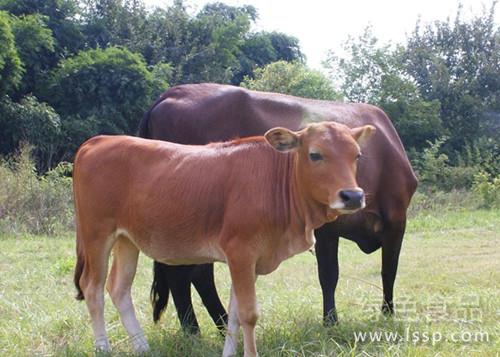
Cattle
Mycotic diarrhea and loose stools in cattle:
1. Cause: Diarrhea and loose stools caused by mycotic gastroenteritis in cattle after they consume moldy and spoiled forage. Affected cattle generally show listlessness, reduced appetite, reduced rumination, and persistent loose stools, and the loose feces are foul-smelling and often mixed with foam, mucus and blood, but the body temperature of the affected cattle does not rise, and treatment with antibiotics generally has no effect.
2. Prevention and treatment method: The forage for cattle should be replaced in a timely manner, and it is strictly forbidden to feed cattle moldy and spoiled forage. For cattle that already have mycotic loose stools, 2500 ml to 4000 ml of 0.9% saline can be given orally, 2 to 3 times a day, while fresh green succulent feed is supplied to the cattle. For severely affected cattle, 1000 ml to 3000 ml of 5% glucose sodium chloride injection and 2 g to 4 g of vitamin C should be given by intravenous injection, and generally they can be cured in 2 to 3 days.
Ruminal acidosis-related diarrhea and loose stools in cattle
1. Cause: Diarrhea and loose stools caused by ruminal acidosis in cattle due to feeding overly acidic silage, distillers grains, or a one-time excessive intake of concentrate, etc. Affected cattle generally show depression, pale red conjunctiva, reduced or even complete loss of appetite, dull gaze, staggering gait, and kicking at the abdomen with the hind limbs; severe cases lie down and cannot stand, grind their teeth and groan, have muscle tremors, and are in a state of coma and collapse. At the beginning of the disease, affected cattle pass gray loose feces, which then turn into green foamy watery diarrhea. If not treated in time, this will ultimately lead to bloody feces and death in the cattle.
2. Prevention and treatment method: The forage fed to cattle should be as fresh and varied as possible. Silage, distillers grains and other feed stored for too long must not be fed in excessive amounts at one time, and supplemental concentrate feeding to cattle should be done gradually; it is strictly forbidden to supplement too much at one time, so as to carefully prevent ruminal acidosis-related loose stools in cattle. For cattle that already have ruminal acidosis-related loose stools, 50 g to 100 g of quicklime can be taken, added to 1000 ml to 1500 ml of water, fully stirred and left to settle for 5 to 10 minutes, after which the supernatant is taken and given orally to the affected cattle at one time, 3 times a day for 2 to 3 consecutive days; for severely affected cattle, 200 ml to 500 ml of 10% calcium gluconate injection should be given by intravenous injection.
Diarrhea and loose stools in cattle due to unclean forage:
1. Cause: Diarrhea and loose stools caused by bacterial gastroenteritis in cattle after they consume unclean forage and drink unclean water. Affected cattle generally show depression, elevated body temperature, reduced or even complete loss of appetite and rumination, and persistent loose stools. At the beginning of the disease, affected cattle defecate in a spraying manner, and later defecation becomes weak, and the loose feces are mixed with foam, mucus and blood.
2. Prevention and treatment method: The forage and drinking water for cattle should be kept clean and hygienic, and unclean forage and drinking water must not cause unclean-type loose stools in cattle. For cattle that already have unclean-type loose stools, 60 g of garlic can be mashed and added to an appropriate amount of water and given orally to the cattle, 3 times a day; for severely affected cattle, chloramphenicol should be injected intramuscularly at 5 mg to 10 mg per kilogram of body weight, together with oral sulfadiazine (initial dose 0.2 g per kilogram of body weight, maintenance dose 0.1 g), 2 times a day.
Loose stools in cattle due to overgrazing on young grass:
1. Cause: After the beginning of spring, during the first few days of grazing, cattle consume too much newly sprouted tender green grass or green feed at one time, causing gastrointestinal dysfunction and resulting in diarrhea and loose stools. Affected cattle generally show good spirit and appetite, and normal body temperature, with only loose stools, and the feces are thin and green.
2. Prevention and treatment method: In the first few days after the beginning of spring when grazing cattle, farms (households) should first feed the cattle roughage (for roughage, it is best to choose corn silage, ammoniated rice straw, peanut vines, sweet potato vines, etc.), and let the cattle become half full before going out to graze. After a transition of 15 to 20 days, when the gastrointestinal function of the cattle gradually adapts to digesting green grass, they can then be shifted to normal all-day grazing, so as to strictly prevent loose stools caused by cattle overgrazing on young grass. For mildly affected cattle, it is only necessary to strengthen conditioning, feed the cattle an appropriate amount of dry grass or rice straw, and control the intake of tender green grass and green feed, and the loose stools in the cattle can recover; for cattle with more severe loose stools, 50 g to 75 g of ginger can be taken, mashed and stir-fried until cooked, then 50 ml to 100 ml of white liquor is added, and given orally to the cattle at one time, 3 times a day for 2 to 3 consecutive days, and they can be cured.
Farm cattle
Diarrhea and loose stools in farm cattle due to overwork injury
1. Cause: Because farm cattle suffer from chronic digestive tract diseases, and poor feeding and management lead to a weak physique in the farm cattle, farmers, due to the pressure of farm work, continuously increase the load-bearing time of the farm cattle, causing injury to the tendons, bones and internal organs of the farm cattle and resulting in overwork-injury diarrhea and loose stools. Affected cattle generally show mental fatigue and weakness, lying down all day, reduced or complete loss of appetite, and long-term persistent loose stools, and the loose feces are mixed with foam, mucus and blood, but the body temperature of the affected cattle generally does not rise.
2. Prevention and treatment method: On the premise of promptly treating the chronic digestive tract diseases of farm cattle, strengthening feeding and conditioning of the cattle, and reducing the labor and load-bearing of farm cattle, 50 g to 75 g of sappanwood can be taken, decocted in water and left to cool to lukewarm, then 50 g to 75 g of chopped fresh cycad leaves are added, and given orally to the cattle at one time, 3 times a day for 3 to 5 consecutive days, and they can be cured; for cattle with more severe loose stools, 1000 ml to 3000 ml of 5% glucose sodium chloride injection and 2 g to 4 g of vitamin C should be given by intravenous injection, and generally they can be cured in 5 to 7 days.