How to deal with old orchid growths? The correct method for nursing old growths
The original title of this article is "How to Nurse Old Growths." Many orchid growers need to know how to deal with old orchid growths. This article is about nursing old growths, and the author lists three situations. Growers can compare them with their own actual circumstances and use them for reference!...
The original title of this article is "How to Nurse Old Growths." Many orchid growers need to know how to deal with old orchid growths. This article is about nursing old growths, and the author lists three situations. Growers can compare them with their own actual circumstances and use them for reference!
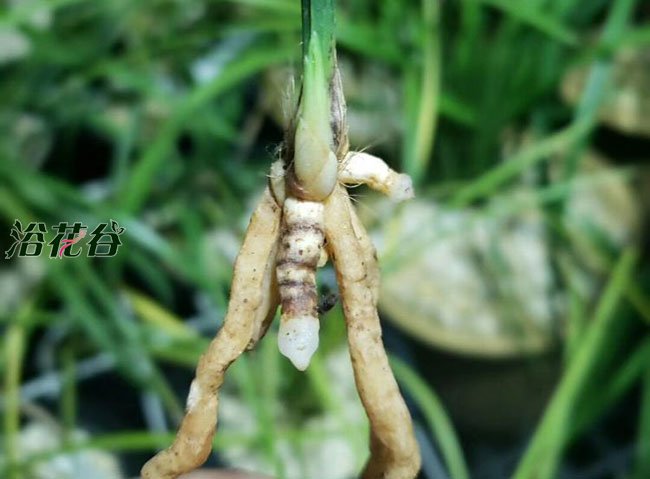
1. Old growths that are not really old, with good roots and strong growths, mostly mother pseudobulbs and grandfather pseudobulbs. Because these old growths have good roots and mature pseudobulbs, their shoot production rate is no inferior to that of new growths, making them the top choice for enthusiasts of nursing old growths.
(1) When you receive this kind of growth or cut it off, the first thing is to treat the wound properly.
If the wound is small, no treatment is needed; just leave it in a cool place for two hours, and the callus tissue will do its work, just as with people.
If the wound is large, apply a little cigarette ash, incense ash, or wound-healing paste (the paste should be applied only after the wound has dried, usually after placing it in a cool place for one to two hours).
(2) Rub the roots: turn the tap water to a gentle flow, and gently rub the roots with your fingertips under the running water. While rubbing, rinse off whatever is attached to the roots. At this point you will feel that they are slippery, and some are even sticky. Rub for a while, and when they are no longer slippery, that is enough.
(3) Let the water on the roots dry, then pot them up (the pot should be small rather than large). For potting, follow the normal procedure for potting orchids.
2. Growths that are old and have few roots.
(1) Refer to steps A and B in the first case.
(2) After the water on the roots has dried, plant them slightly deeper than in the first case.
(2) The pot should be small rather than large; if conditions allow, several old growths of this kind can be planted in one pot.
3. Rootless old growths. These old pseudobulbs are very difficult to coax into producing shoots, but it is not impossible to nurse them.
(1) Use the new to carry the old: find a healthy orchid and plant it in the same pot as this rootless old growth.
(2) When planting, bury the old growth a little deeper than the healthy plant. After planting, gently pat the side of the pot so that the potting medium and the plants fit together more closely. (When planting trees, the ancients had a saying: bury deep and firm it well, and even a wooden club will sprout.)
(3) After shoots have been nursed out, do not be so impatient as to repot and inspect them. You must wait until the new shoots have matured before checking, otherwise all your work will be wasted.
(4) The pot should be small rather than large.
4. Special notes:
(1) In none of the above three cases should fertilizer be applied.
(2) The shoot production rate has nothing to do with the potting medium; the shoot production rate is directly proportional to the watering frequency.
(3) Pay special attention: if you have potting medium at home that has grown white mycelium, mix a little of it into the new potting medium for nursing old growths, and the effect will be even better. Refer to the picture below.
(4) When nursed to the optimum, the roots will be longer than the shoots.