Prevention is more important than treatment in the control of crayfish surface diseases
In crayfish farming, prevent disease before it occurs, treat it early when it does, and put prevention above treatment. Normally, shrimp ponds, fishing gear and feeding grounds should be disinfected frequently with drugs, and when disease occurs, treat it promptly. When using drugs, the method of use, timing and dosage must be well controlled to avoid drug damage and achieve the purpose of prevention and treatment.
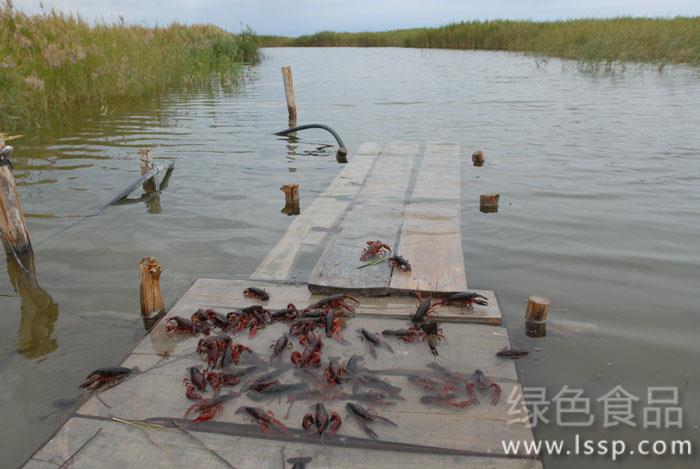
Crayfish
For crayfish surface diseases, treatment can use the dipping and washing method and the whole-pond splashing method. Before dipping and splashing, first dissolve two or more drugs separately, then pour them into a container for later use. The container is best made of a wooden bucket, the cabin of a small wooden boat, or a ceramic water vat. When dipping crayfish, the time and density must be well controlled. The dipping time can be determined according to the water temperature and the health condition of the shrimp stock. If the water temperature is high and the shrimp stock is weak, the dipping time should be shortened accordingly; if the water temperature is low and the shrimp stock is strong, the dipping time should be increased, generally 10 to 30 minutes. The dipping density is 15,000 to 20,000 shrimp stock with a body length of 2 to 3 cm per cubic meter of water, or 2,000 to 2,500 brood shrimp. The shrimp stock must not be placed too densely, so as to avoid death from lack of oxygen. In addition, during dipping, the activity of the shrimp stock must be observed at all times. If floating to the surface or struggling is found, the shrimp stock should be quickly scooped out and placed in clean water to prevent death.
When using drugs to splash the whole pond, the dosage should be calculated correctly, and after dissolving evenly, splash the whole pond, so as to prevent drug damage or failure to achieve the control effect. For example, splashing bleaching powder over the whole pond at a concentration exceeding 2 times can cause crayfish death. Some drugs, if improperly stored or kept for a long time, easily lose effectiveness, so when using them it is best to buy and use them immediately, otherwise it wastes money and also fails to produce a therapeutic effect.
The time for splashing drugs should be chosen on a sunny day, at about 10 a.m. or 4 p.m., avoiding applying the drug when the midday sun is direct, otherwise the therapeutic effect of the drug will be reduced. If it is truly necessary to apply the drug on a cloudy day, it can be done at noon. After applying the drug, observe the activity of the crayfish at the pond edge, and once there is any abnormality, promptly add fresh water to avoid accidents.
While splashing drugs, do not feed the crayfish; it is best to splash the drugs 2 to 3 hours after feeding the feed. When splashing over the whole pond, start from the upwind area and splash successively toward the downwind area, because the liquid at the beginning of splashing is more concentrated, and the wind can help promote the liquid to spread across the whole pond as quickly as possible.
Note that quicklime must not be mixed and used at the same time with human manure or urine or nitrogen fertilizer, otherwise it will greatly deplete the available nitrogen.