The beef cattle farming market has great potential: precautions for farming beef cattle
China has 68.4 million beef cattle on hand, and last year's beef output reached 6.89 million tons, ranking third in the world and accounting for 10% of the world's total beef output. However, China's beef cattle slaughter rate, average carcass weight per head and feed conversion efficiency are all below the world average, so the beef cattle industry still has great development potential. The following is an introduction to the precautions for farming beef cattle.
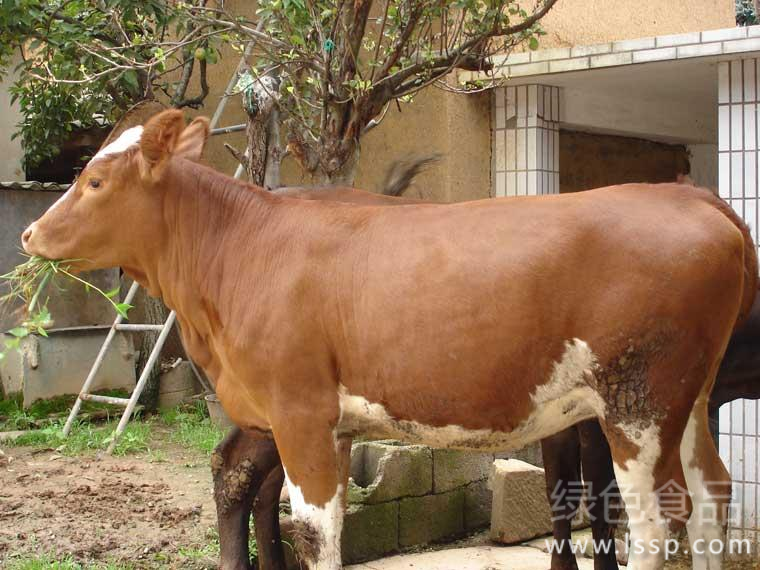
Beef cattle
1. First, select good feeder cattle.When buying beef cattle, first choose cattle with a large mouth, large nostrils, bright eyes, a relatively long body, thick legs and a strong tail; such cattle eat well and are healthy and disease-free. In addition, the skin should be slightly elastic, and the hair on the rump should be thick and soft, so that a handful can be grasped at once; such cattle gain more meat, fatten quickly and bring high economic returns.
2. Scientific feeding.Beef cattle should be raised by a dedicated person, so as to keep track of their feed intake and whether there are any abnormalities, and if there are, measures can be taken early; feeding times should be fixed, generally feeding 3 times a day, with 1 supplemental feeding at night. Before each feeding, feed a small amount of dry hay first, then mix the feed, and provide water 2 hours later. In summer, a little salt can be added to prevent dehydration; the amount fed must not vary suddenly.
3. The most important thing is the cattle shed environment.The cattle shed should be kept dry and avoid dampness. Clean the cattle shed once a day as far as possible. When the wind is strong, close the doors and windows and pay attention to insulation inside the shed to avoid affecting the cattle's growth. Cattle manure and urine should be removed promptly to prevent ammonia from becoming too concentrated and affecting the cattle's health. On sunny afternoons, open the windows for ventilation to keep the air in the shed fresh. Drinking water must be clean and sufficient. After beef cattle eat, they should be given plenty of water, and the drinking water should be clean, preferably potable water.
4. Disease prevention and deworming.Newly purchased beef cattle must be comprehensively examined. Healthy beef cattle should be vaccinated against foot-and-mouth disease, brucellosis, Clostridium welchii disease and other vaccines before they can be admitted to the shed and mixed with others. Before barn feeding and fattening, carry out a comprehensive deworming.
5. Let the beef cattle do an appropriate amount of exercise.An appropriate amount of daily exercise helps beef cattle digest and fatten, and can effectively reduce the occurrence of disease.
6. Market them at the right time.When beef cattle have been fattened for 2 to 3 months and reach a body weight of more than 500 kg, stop fattening and market them in time. To judge the marketing time, pay attention to two points: first, the feed intake of the beef cattle gradually decreases and still cannot recover after feed adjustment; second, when you touch the hip bone of the beef cattle with your hand or hold the base of the beef cattle's ear with your hand and feel fat, it means the muscles are plump and they can be marketed.