Key points for fish pond management before and after a typhoon: improper defense can easily cause fish deaths
These days, the liveliest thing is the three major typhoons playing fight-the-landlord over the Pacific. On the night of the 10th or on the 11th, Typhoon "Chan-hom" will make landfall along the coast of Zhejiang and Fujian. This typhoon is comparable to "Saomai" in 2006, so fish farmers should hurry with preventive work to reduce losses. The key points for fish pond management before and after a typhoon are introduced below:
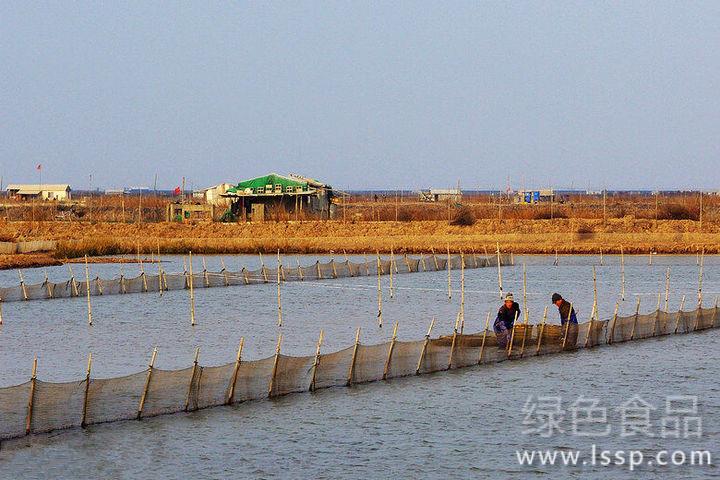
Fish pond
I. During the typhoon, pay attention to fish pond safety.
1. Before the typhoon arrives: investigate hidden safety hazards
(1) Ensure electrical safety. Check whether the power system has leakage, and whether the power generation system can guarantee the normal use of aerators and water pumps.
(2) Inspect and reinforce facilities such as pond embankments, and do a good job of leak prevention. Simple thatched sheds that have long been out of repair should be dismantled to prevent collapse causing casualties. Warehouse buildings should be reinforced and made leak-proof to prevent feed from getting wet in the rain and going moldy.
2. During the typhoon, pay attention to personal safety.
During typhoons and rainstorms, always pay attention to the typhoon's movement. If there is force majeure, pay attention to personal safety, promptly leave low-lying places such as fish ponds, and take shelter in high places, crowded places, and solid concrete buildings. Boats should promptly dock at the shore, and people on board should immediately move to shore.
II. Prevention and treatment of fish pond diseases before and after a typhoon.
1. Before the typhoon arrives:
(1) Dredge flood drainage ditches and lower the fish pond water level. Be ready to remove the upper layer of acid rainwater at any time.
(2) Add saltwater where conditions permit. Before typhoons and rainstorms arrive, brackish-water fish ponds should store more saltwater or add table salt to prevent large amounts of freshwater from pouring into the fish pond, causing a sharp drop in salinity and causing fish deaths.
(3) Enhance the anti-stress ability of fish and shrimp. Before a typhoon, appropriately reduce the amount of feed, and splash vitamin C, glucose, immune polysaccharides and other drugs over the whole pond to strengthen and improve the physique and anti-stress ability of fish and shrimp.
2. During the typhoon:
During typhoons and rainstorms, appropriately extend the aeration time. Because typhoons easily lead to insufficient dissolved oxygen at the bottom of the fish pond, and at the same time, water temperature, pH value, and salinity will decrease. When dissolved oxygen in the fish pond is low, organic matter at the bottom of the pond cannot be oxidized and decomposed normally, producing toxic substances such as ammonia nitrogen and nitrite, which harm fish and shrimp and lead to disease outbreaks. Therefore, appropriately extend the aeration time, and when necessary, around 8 at night, add some oxygen-increasing agents. This can not only increase dissolved oxygen at the bottom of the fish pond, but also improve the pond bottom environment and prevent fish and shrimp from gasping at the surface.
Fish pond
3. Measures for preventing and treating aquaculture diseases in ponds after typhoons and rainstorms.
(1) Do a good job of post-disaster handling and post-disaster production recovery in fish ponds. Dead fish, diseased fish, and aquatic plants uprooted by the typhoon should be immediately removed to prevent rotting and polluting the water body. Count the number and weight of dead fish and shrimp so as to restock fry and seed.
(2) Pond disinfection and water quality regulation: promptly remove the acid rainwater on the surface layer of the fish pond, and increase salinity and pH value. For fish ponds where shrimp have severe stress reactions, first eliminate the stress reactions. Then use low-irritation disinfectants such as dibromohydantoin, chlorine dioxide, strong chlorine powder, and bis-quaternary ammonium salt complex iodine to splash and disinfect the pond water body over the whole pond. A few days after disinfection, water quality can be regulated. For ponds with a pH value within 8.5, quicklime can be splashed. For ponds with an average water depth of 1.5-2.0 m, use 10 kg of quicklime per mu, dissolve it into slurry water, and splash it over the whole pond to regulate pH value. For fish ponds whose water quality has become clear, biological bacterial fertilizer, compound fertilizer, etc. can be applied to maintain the fertility of the fish pond and the balance of algae and bacteria phases. For fish ponds with overly dense water quality and excessive organic matter content at the pond bottom, use microecological preparations, substrate improvers, etc. to improve the water quality of the fish pond and the ecological environment at the bottom. When using microecological preparations, the aerator must be turned on to avoid oxygen deficiency.
(3) To enhance the anti-stress ability of fish and shrimp, mix into the feed Vc 3‰, immune polysaccharides 2‰, liver-protecting health preparation 3‰, and immune polypeptides 2‰.