Frequent Poisoning in Meat Ducks from Accidental Ingestion: How to Prevent and Treat It?
Ducks that accidentally ingest toxic substances, or that receive a certain drug in excessive amounts or over a prolonged period, will develop poisoning. This disease occurs frequently and causes relatively serious losses. In duck poisoning, there are basically no warning signs before onset; it often comes on suddenly with an unknown cause, and the onset is relatively severe. It generally presents as reduced feed intake, and most cases have nervous symptoms. After death, rigor mortis is incomplete and blood coagulation is incomplete.
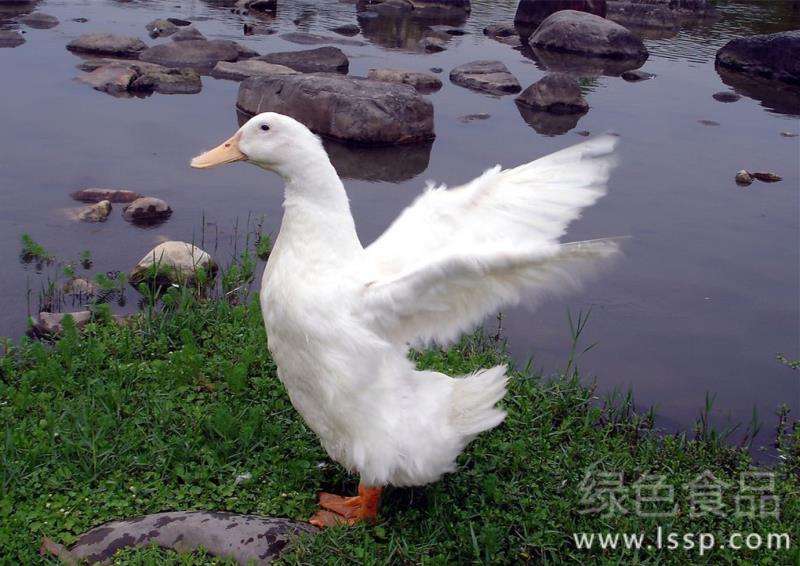
Duck
I. Aflatoxin:
1. Cause of onset: Poisoning caused by toxins produced by Aspergillus flavus. Peanuts, bran, damaged corn, hay, rice straw, and other materials are highly prone to producing aflatoxin when improperly stored during humid seasons. When ducks eat feed containing aflatoxin, they become poisoned.
2. Clinical symptoms: Damage to the liver, gradually reduced appetite, slow growth, loss of feathers, lameness, convulsions, opisthotonus before death, and a mortality rate of 100%.
3. Prevention and control measures: There is no effective drug treatment for aflatoxin poisoning in ducks. As long as feed containing aflatoxin is stopped, the ducks will soon stop developing the disease and dying. Therefore, in warm and rainy seasons, feed must be protected from mold.
II. Sulfonamide drugs:
1. Cause of onset: Ducks given sulfonamide drugs for too long or in too large an amount develop sulfonamide drug poisoning.
2. Clinical symptoms: It presents as symptoms such as excitement, refusal to eat, diarrhea, spasms, and paralysis. Chronic sulfonamide drug poisoning cases are mostly seen with large doses or continuous medication exceeding 1 week, presenting as depression, reduced appetite, diarrhea, and feces that are soy-sauce colored. Sick ducks develop hemolytic anemia, reduced egg production, and lay soft-shelled eggs.
3. Prevention and control measures: Stop the sulfonamide drugs, and at the same time give the ducks 1-5% baking soda water.
III. Salt:
1. Cause of onset: Ducks accidentally ingest feed or drinking water containing too much salt. Especially for ducklings, sensitivity to salt poisoning is high.
2. Clinical symptoms: Poor appetite, increased thirst, and mucus flowing from the mouth and nose. Listlessness, weakness in both legs, difficulty moving, often paralysis, difficulty breathing, and restless calling.
3. Prevention and control measures: Stop giving the ducks feed containing salt, provide sugared water, and feed more green fodder.