Control Methods for Duck Tracheal Fluke Disease Affecting Egg Production
Duck tracheal fluke disease is caused by Brachylaema cucurbitinum and Typhlocoelum cymbium. Brachylaema cucurbitinum parasitizes the trachea, air sacs and esophagus of ducks, while Typhlocoelum cymbium parasitizes the trachea, bronchi, air sacs and infraorbital sinuses of ducks.
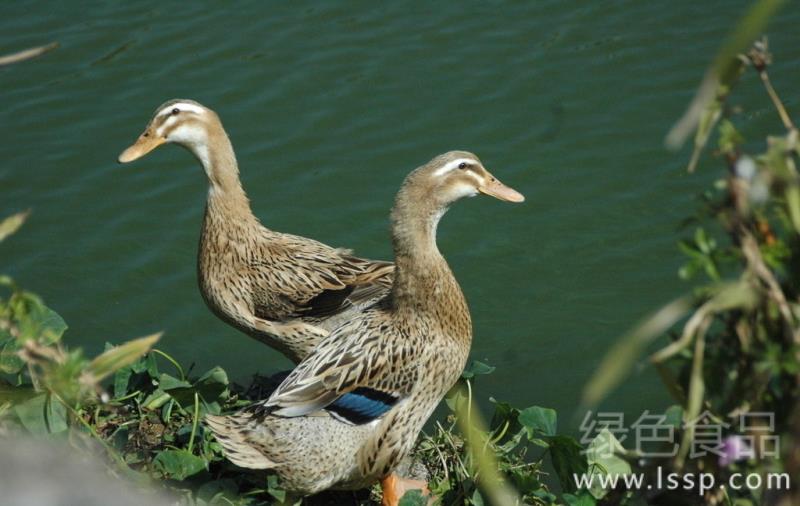
Duck
The intermediate hosts of duck tracheal fluke disease are lymnaeid snails and planorbid snails. When ducks graze in summer in rivers, ponds and other water bodies, they become infected after swallowing snails containing metacercariae, which affects growth and egg production, with a mortality rate generally around 3%-5%.
Symptoms of sick ducks: difficulty breathing, panting, stretching the neck, and opening the beak. Because the duck's tracheal mucosa is damaged and becomes congested, inflammatory exudate increases, causing sick ducks to make a "clucking" sound when breathing. When the flukes move to the upper part of the duck's trachea and block the trachea, it can cause the duck to suffocate and die suddenly.
For the treatment of sick ducks, in the past a 1:1000-1500 iodine solution or 5% sodium salicylate solution was mostly injected at the glottis fissure of the duck in an amount of 0.5-2 ml, and a second injection was needed after 2 days. Currently, praziquantel is used for treatment with good results, at a dosage of 50 mg per kg of body weight, mixed into feed or made into small pills with rice and administered orally, once a day for 3 consecutive days.