Pigs eat less and have poor disease resistance in summer; three key farming measures to help you cope
In summer, pigs' feed intake decreases and their resistance drops. This is especially true for pregnant sows: if they are not managed properly, the piglets may well develop abnormally or even be miscarried. How to carry out effective feeding and management of pigs to enhance disease resistance and raise production capacity has become a troubling problem for pig farmers in summer. Therefore, when raising pigs in summer, pay attention to three points:
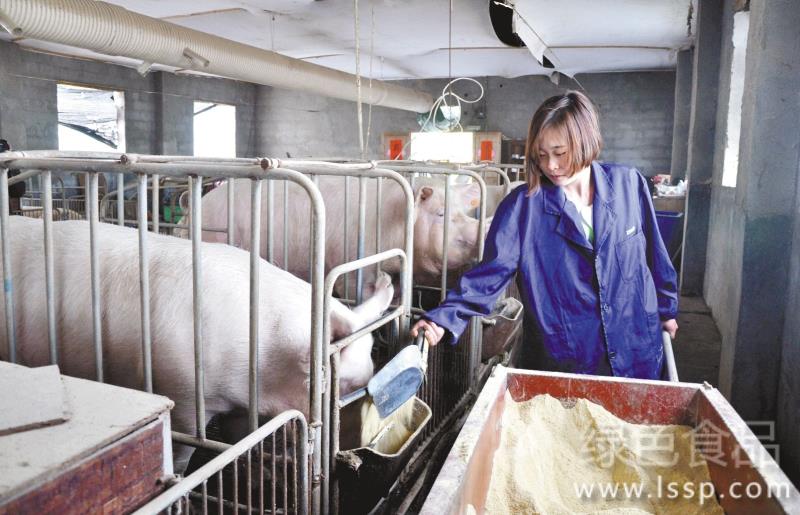
Pig farming
1. Regulate the temperature inside the barn well
The pig barn should maintain good ventilation to lower the temperature inside. Air inlets and outlets can be set up in suitable positions in the barn. If the barn is large, install fans to ventilate and cool it. If conditions do not allow, build a shallow pool in the barn or simply sprinkle water on the ground so the pigs can cool down in the water; a sprayer can also be used to spray water mist onto the pigs, so that the evaporation of the water vapor carries away the heat from the pigs' bodies and achieves the purpose of cooling. The barn temperature should be about 25°C, and it is best not to exceed 30°C.
2. Maintain a clean environment
To prevent infectious diseases, cleaning, hygiene and disinfection of the pig barn must be taken seriously. Water troughs and feed troughs should be cleaned regularly, manure should be removed promptly, and the area around the pig barn should be disinfected at irregular intervals. There are many mosquitoes and insects in summer. If pigs are bitten by them for a long time, it not only affects production but also easily causes disease. Therefore, insects should be killed promptly. Mix trichlorfon with an appropriate amount of water and spray it; the concentration must not be high, otherwise it is harmful to the pigs.
3. Raise the nutritional level of the feed
During high temperatures, the nutritional level of the pig feed should be appropriately raised, and the feeding method should also be adjusted by feeding in the cool morning and evening so as to ensure the pigs eat their fill and eat well. An appropriate amount of baking soda can be added to the diet of fattening pigs, which can promote appetite and prevent poisoning; an appropriate amount of cooking oil can also be mixed into the pig feed to increase energy. In a hot environment, vitamin C can be added to the feed to resist heat stress. This not only increases the pigs' disease resistance but also promotes wound healing and the absorption of iron in the intestinal tract.