Broilers eat less and have poor disease resistance in summer; how should they be fed to increase feed intake?
In summer, the high temperature makes broilers poor in appetite and low in feed intake, which leads to poor disease resistance, makes them prone to heatstroke, and also results in poor body condition, delaying the market period. So how should broilers be fed in summer?
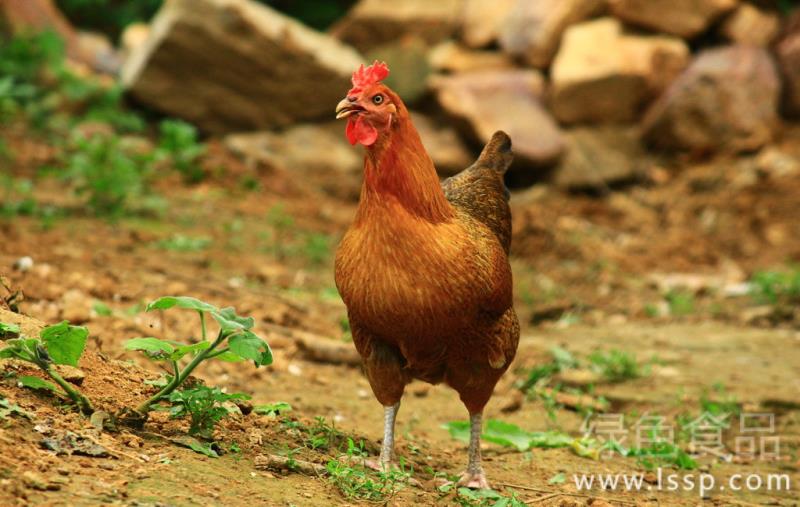
Broilers
1. Change the feeding time:During the daytime in summer, the temperature is high, and most broilers only gasp for air instead of eating, while from evening to morning the temperature is low and broilers have a strong appetite. Therefore, the number of feedings during this period can be increased by 1 to 2 times, with a corresponding reduction in daytime feedings.
2. Effective cooling facilities:Build the chicken house on high, dry, well-ventilated ground; spray water on the roof or cover it with straw curtains; open all doors, windows and ventilation holes; install ceiling fans inside the house; spray broilers with cold water mist, etc. All of these can lower the temperature.
3. Feed pelleted feed:Practice has shown that broilers eat powdered feed slowly, while they eat pelleted feed quickly and in larger amounts. Therefore, feeding broilers pelleted feed in summer can make up for the insufficient feed intake caused by their reduced appetite.
4. Provide plenty of cool, clean drinking water:In hot weather, because broilers need to continuously pant to evaporate body water and achieve heat dissipation, their demand for drinking water increases. Therefore, when raising broilers in summer, the drinking water supply must be sufficient and must not run short. A short period without water affects growth, and a long period without water causes broilers to die of heatstroke.
5. Reduce stocking density:High stocking density is not conducive to heat dissipation in broilers and leads to high house temperature, so the stocking density of broilers must be reasonable. For floor free-range rearing, no more than 8 birds per sq m; for rearing on wire mesh flooring, no more than 12 birds per sq m.
6. Increase vitamin feeding amount:In summer, broilers eat less, but their demand for vitamins increases, especially vitamin E, vitamin B2, vitamin B12, etc. Therefore, in summer, multivitamins should often be mixed into the feed and drinking water of broilers, which can reduce heat stress and increase feed intake.
7. Add oil:When broilers are in a high-temperature environment, adding oil to the feed helps increase their energy, reduce their heat increment, and ease heat stress, thereby helping to increase broiler body weight. The amount of oil added generally accounts for 1% to 3% of the feed amount.
8. Add zeolite:Zeolite has effects such as adsorption, catalysis and ion exchange, and also helps prevent diarrhea and respiratory diseases. Experiments have shown that adding 3% zeolite powder to the feed of broilers after 21 days of age can increase broiler weight gain by 11.7%.
9. Add raw gypsum:Raw gypsum clears heat and is cold in nature; it clears heat and purges fire, promotes fluid production and quenches thirst, so it is suitable for use in broilers. The amount of raw gypsum used generally accounts for 0.1% to 0.3% of the daily ration.