Mixed-type fowl pox is striking aggressively; how should poultry farmers prevent and treat it?
Fowl pox is an acute, infectious disease caused by the fowl pox virus. Fowl pox is characterized by pox eruptions on the featherless or sparsely feathered skin of affected chickens (especially the skin of the head), which then scab over and fall off; or by yellowish-white nodules on the mucous membranes of the mouth and throat, which gradually enlarge and merge to form necrotic pseudomembranes. It is prevalent in spring, autumn and the mosquito-active season, and occurs more readily when birds are crowded, damp, poorly ventilated, kept in poor sanitary conditions, or deficient in vitamins. If diphtheritic fowl pox is complicated by secondary infectious diseases under harsh conditions, it causes mass mortality. Cutaneous fowl pox is the most common, but in recent years mixed-type fowl pox should not be underestimated either.
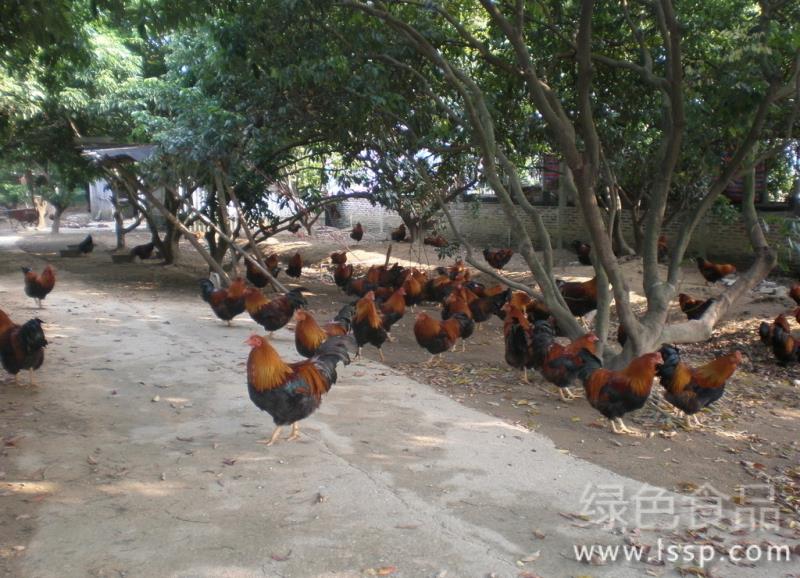
Chicken farm
I. Clinical signs
Affected chickens are listless, close their eyes and tuck their heads, stand dull, eat little or stop eating entirely, have inflamed conjunctiva, shed tears, and accumulate copious sticky fibrinous exudate or purulent material at the corners of the eyes; in severe cases the upper and lower eyelids stick together. The eyelids and the area around the eyes become swollen. In some affected chickens the conjunctiva is cloudy and blindness occurs. Some affected chickens cough and shake their heads, and when the mouth is opened, a pseudomembrane blocking the larynx can be seen. Besides the above signs, another feature is pimple-like eruptions about the size of a mung bean on the comb, wattles, claws and eyelids; some of these eruptions have already ulcerated, and some have scabbed over. Among affected chickens, the highest mortality occurs with the laryngeal, ocular and mixed types. In laryngeal fowl pox, the lesions occur on the mucous membranes of the mouth and throat, causing difficulty in eating and drinking, and breathing difficulty, with death by suffocation. In chickens that die of the ocular type, the upper and lower eyelids are stuck together and the birds are blind, which affects feeding and leads to death.
II. Prevention and treatment measures
1. Strengthen feeding management: promptly adopt blockade and isolation measures for affected flocks, thoroughly disinfect utensils and carry out harmless disposal of dead diseased chickens. Repair cages promptly to prevent chickens from being injured by sharp objects such as bamboo splinters and wire; for chickens with external wounds, apply 5% iodine tincture or gentian violet to the injured area. Pay attention to the cleanliness and hygiene of the chicken house and the surrounding environment, and disinfect thoroughly with disinfectant solution; the chicken house must be fitted with well-secured screen windows and screen doors to prevent mosquitoes from entering, and flypaper and mosquito- and fly-killing lamps should be used to eliminate mosquitoes, flies and blood-sucking insects.
2. Vaccination: Vaccination against fowl pox is the most effective method of preventing and treating fowl pox. The first immunization is mostly carried out at about 10 to 20 days of age using fowl pox quail-adapted attenuated freeze-dried vaccine diluted 200-fold; a second immunization is carried out before the start of laying. After shaking well, dip a sterilized piercing needle or pen tip into the vaccine and perform subcutaneous piercing on the inner side of the chicken's wing where there are no blood vessels, piercing each chicken once. Three to four days after piercing, sample 10% of the chickens and examine the piercing sites; if more than 80% of the chickens in the sample show redness, swelling and scabbing at the piercing site, the piercing was successful. After 2 to 3 weeks the scabs fall off, and immunity develops 14 days after immunization; otherwise, identify the cause and promptly re-vaccinate.
3. Treatment: For chickens with pox on the comb, wattles, claws and legs, peel off the pox scabs with tweezers, then apply gentian violet or 1% iodine glycerin to the wound (that is, 10 grams of potassium iodide, 5 grams of iodine, 20 milliliters of glycerin, mix well, add distilled water to 100 milliliters). For those with swollen eyes, rinse the eyes with 2% boric acid solution and apply gentamicin eye drops. For mucous-membrane-type fowl pox, the pseudomembranes on the mucous membranes can be peeled off and removed with small tweezers, and the chickens should be given a one-thousandth gentian violet solution to drink to prevent secondary infection.
For affected flocks, give astragalus polysaccharide in the drinking water, adding 80-100 grams per 50 kilograms of water, for 3-5 consecutive days. Add amikacin to the drinking water to alleviate the symptoms of affected chickens and prevent secondary infection. Also treat with Chinese herbal medicine, prescription: Gentiana scabra 90g, Isatis root 60g, Cimicifuga 50g, honeysuckle 40g, wild chrysanthemum 40g, Forsythia 30g, licorice 30g; grind the above Chinese herbs into fine powder and mix evenly into the feed at a dosage of 1.5g per chicken per day, given in the morning and afternoon as concentrated feeding. Add multiple vitamins to the feed to enhance the flock's disease resistance, protect the skin and promote wound healing, for 5 consecutive days. With the above prevention and treatment measures, the condition can be brought under control after 3 days, and the flock can basically recover to health after 5 days.