High-intensity fattening of black goats is difficult; detailed explanation of fattening techniques
Regarding fattening techniques for black goat kids, the suckling black goat kid is in a stage of life with the greatest growth and development intensity and is also the most difficult to raise. The slightest carelessness will affect the development and constitution of the black goat, increase the morbidity and mortality of black goat kids, and cause major losses to black goat breeding production.
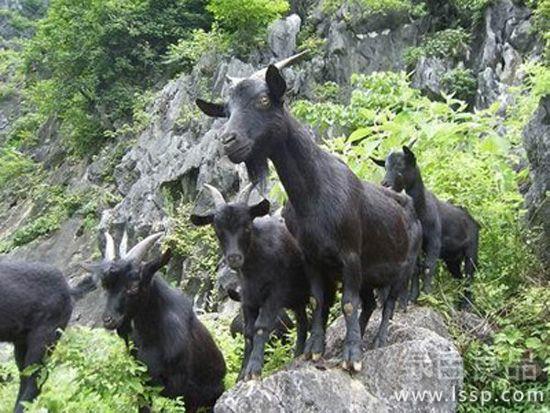
Black goat
In the early suckling period, black goat kids mainly rely on breast milk for nutrition. When breast milk is sufficient, the kids develop well, gain weight quickly, and are healthy and lively. Breast milk is divided into colostrum and normal milk. Colostrum refers to the milk secreted by the ewe in the first week after giving birth, and the milk afterward is normal milk. Colostrum is thick and high in nutrients, rich in antibody globulins and mineral elements, enhances the disease resistance of black goat kids, and promotes the excretion of meconium. Kids should receive colostrum within 15 to 30 minutes after birth.
An important task in raising kids is early feed attraction and supplementary feeding. From 7 to 10 days after birth, when grazing or feeding with the ewe, kids will imitate the ewe and consume a certain amount of forage. At this time, soybeans, broad beans, peas, and other feeds can be stir-fried, crushed, and scattered in the feed trough to attract the kids to eat. In the initial stage, feeding 10 to 50 grams per kid per day is sufficient; after the kids become accustomed to it, gradually increase the supplementary feeding amount. Supplementary feeding of kids should be carried out separately. When the feed intake of the kids reaches about 100 grams, a mixed concentrate containing about 24% crude protein can be supplied. In the late suckling period, designate a special pasture for the kids and graze them separately in groups during the day, and supplement with mixed concentrate; high-quality green hay can be placed in the hay rack for them to eat freely, preferably green hay of grasses and legumes. When supplementing feed to kids, pay attention to several points: 1. Supplement feed as early as possible; 2. After the kids become accustomed to eating, the feed should be diverse, nutritious, and easy to digest; 3. When feeding, give small amounts and add frequently; 4. Achieve fixed times, fixed amounts, and fixed locations; 5. Ensure the feed trough and drinking water are clean and hygienic.
Strengthen the management of black goat kids, castrate at the proper time, and carry out epidemic prevention injections well. When kids are born, they should be weighed; at about 2 months of age, male kids that do not meet breeding requirements should be castrated. Kids over 7 days old can graze nearby with the mother black goat to increase outdoor activity. For the few thin and weak kids caused by the death of the mother goat or lack of milk, carry out artificial nursing and fostering well.
Kids need to be weaned all at once. The weaning time should be comprehensively considered according to factors such as the kid's age in months, body weight, supplementary feeding conditions, and production needs. For early-weaned kids, milk replacer feed that matches their digestive characteristics and nutritional needs must be provided. The body weight of kids at weaning affects their growth and development after weaning. According to practical experience, it is more suitable to wean when semi-fine wool improved sheep male kids reach more than 15 kg, female kids reach more than 12 kg, and goat kids reach more than 9 kg. Kids that are too small will have stunted growth and development after weaning. When some kids need to be weaned early due to production conditions, they must be grouped separately and supplementary feeding must be strengthened to ensure the nutritional needs for the growth and development of the kids.