Eight precautions for feeding urea to beef cattle: only scientific feeding keeps cattle healthy
The eight issues to note when feeding urea to beef cattle are:
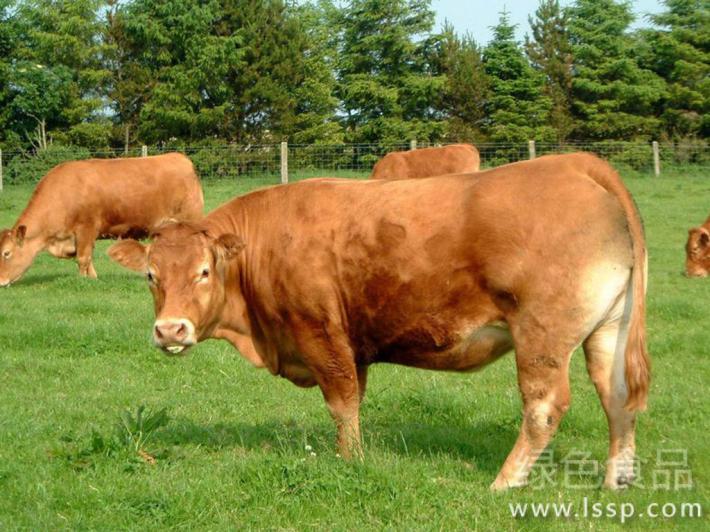
Beef cattle
1. Only adult and young beef cattle can be fed urea; calves must not be fed it, because the rumen of calves before 6 months of age is not fully developed, and feeding urea easily causes poisoning.
2. When feeding urea, the urea must be mixed evenly with concentrated feed; it must not be fed alone, and urea must not be dissolved in water for beef cattle to drink.
3. After feeding urea, beef cattle must not drink water immediately; it is best to wait 1 hour before watering, to avoid poisoning.
4. Urea must not be mixed with raw beans or raw bean cake to feed beef cattle, because raw beans and raw bean cake contain urease, which can accelerate the decomposition of urea, causing ammonia poisoning in cattle.
5. Urea has poor palatability, and some beef cattle do not like to eat it at first. When feeding cattle, there should be a 7-15 day adaptation period, starting from 1/5 of the full dose and gradually increasing to the full amount. Reference doses of urea are (per head per day): beef cattle with a live weight of 140-220 kg are fed 30-50 g, beef cattle with a live weight of 250-300 kg are fed 50-60 g, beef cattle with a live weight of 310-400 kg are fed 60-80 g, and beef cattle with a live weight of 410-600 kg are fed 80-120 g. Under normal circumstances, the maximum daily dose of urea fed to beef cattle is 120 g per head.
6. When feeding urea, adding an appropriate amount of inorganic sulfur (sulfate) gives better results, because when urea is used to replace protein for feeding beef cattle, sulfur is easily insufficient; sulfur deficiency affects the synthesis of sulfur-containing amino acids in beef cattle and also reduces the digestibility of cellulose by beef cattle. The best effect is achieved when the ratio of nitrogen to sulfur in the feed is 15:1.
7. When feeding urea, add 0.5% salt.
8. When beef cattle suffer urea poisoning, the following measures should be taken: (1) Immediately stop feeding the feed that may cause poisoning. (2) Drench each beef cow with 1-2 kg of vinegar (add 3-4 times the amount of water); or drench with 4-5 liters of yogurt (acid whey is also acceptable); or drench with 1 kg each of vinegar and white sugar, plus 2.5 kg of water. (3) Provide symptomatic treatment; in cases of acute ruminal bloat, immediately perform trocarization to release gas; if the poisoning symptoms are severe, intravenously inject 300-500 ml of 10% calcium gluconate and 500 ml of 10% glucose solution to neutralize the toxins.