How to prevent and treat cracked hoof disease in sows that affects breeding
Cracked hoof disease in sows is one of the main hoof diseases in pigs, with cracked hooves, localized pain, and lying down with little movement. The incidence rate is about 4-5%. In mild cases, it affects the sow's breeding or normal activity during pregnancy; in severe cases, the sow is culled or dies due to progressive emaciation. Therefore, the prevention and treatment of cracked hoof disease in sows is particularly important. To prevent and treat cracked hoof disease in sows, the following points need to be done well:
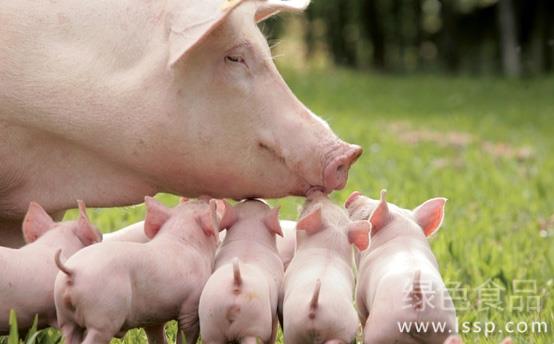
Sow
1. Select and breed sow varieties resistant to limb and hoof diseases.By selecting for limb and hoof firmness, improving the limb and hoof body structure, so that the whole body shape develops in a balanced way, the firmness of the limbs and hooves is enhanced, thereby enhancing the ability to resist cracked hoof disease.
2. Feed a complete and balanced diet.Feed sows a complete and balanced feed to ensure the supply of minerals, vitamins, especially biotin and linoleic acid. It is necessary to ensure a sufficient supply and appropriate ratio of calcium and phosphorus, and to ensure sufficient supply of zinc, copper, selenium, and manganese. Adding 2-3 mg/kg of biotin to the feed can prevent and treat this disease.
3. Improve the pen environment.The pen surface structure should be reasonable, maintaining appropriate smoothness and slope, with no sharp objects and no standing water on the ground. For gilt pens, straw, sawdust, plant ash, dry loess, etc. can be spread to reduce friction and slipping. The pens should be clean and dry. After using strong acids, strong bases, or strong oxidizing disinfectants in the pens, they must be cleaned thoroughly, and breeding pigs should be moved in after drying. Improve the cooling and warming facilities of the pens to prevent damage to the pigs' hooves.
4. Prevent secondary infection.Set up a foot bath at the entrance and exit of the sow exercise area, put 0.1%-0.2% formalin solution in the bath, and replace the disinfectant regularly, which can prevent and treat secondary infection of cracked hoof disease. Frequently check the dryness of the sow's hooves to decide whether to apply petroleum jelly or vegetable oil, so as to protect the hoof shell and prevent dry cracking.
5. Treatment.For sows with cracked hoof disease, after disinfection, zinc oxide ointment can be applied to the affected area; if there is secondary infection and swelling of the limbs and hooves, penicillin, ichthammol, etc. can be used for symptomatic treatment.