Hot summer weather slows beef cattle weight gain, key breeding points to master
In summer the weather is extremely hot. To fight the heat, cattle easily lose condition, and high temperature and high humidity can easily cause many adverse effects in beef cattle farming, such as heat stress, reduced feed intake, and slowed weight gain, especially in cows and calves. To help beef cattle get through the summer safely, the following measures can be taken:
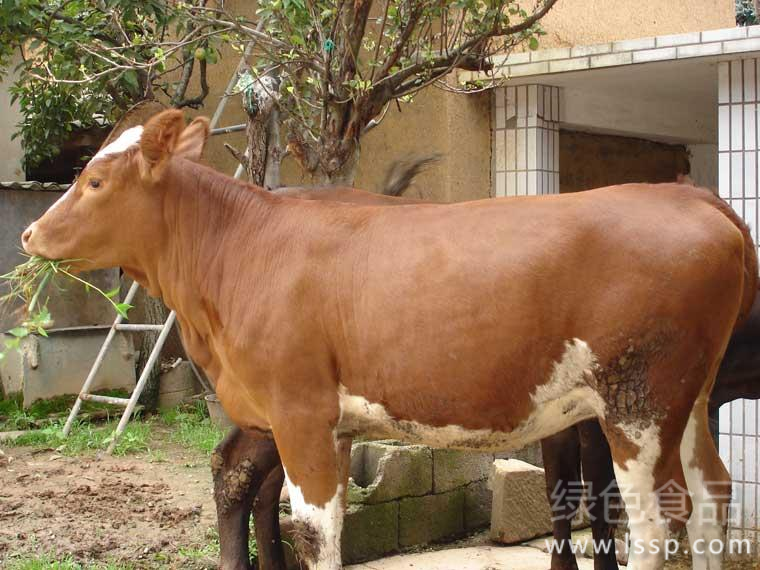
Beef cattle
1. Barn environment: take heat insulation measures to prevent outside heat from entering the barn, strengthen ventilation so air flows inside the barn, regularly clear weeds and shrubs around the barn, and open all doors, windows and vents as much as possible for ventilation. This can lower the room temperature, keep beef cattle cooler, and reduce panting. Never let breeding beef cattle or fattening cattle be exposed directly to the sun, as this can easily cause sunstroke and affect growth and reproduction.
2. Rationally mix feed to meet the nutritional needs of beef cattle. Provide enough roughage to support rumen microbial activity in beef cattle, then formulate the daily ration according to the production purpose and economic benefits of different types of beef cattle or the same type at different physiological stages. The ration should be fully nutritious, diverse in variety, highly palatable, and easy to digest, with concentrate, roughage and green feed reasonably matched. Appropriately supplement electrolytes and vitamins, and feed succulent green feed rich in carbohydrates and water. This is not only palatable but also quenches thirst, helps prevent heat and lower temperature, and relieves heat stress in beef cattle. When feeding, never give beef cattle only green grass, because green feed is tender, fresh and succulent and highly palatable, and beef cattle often overeat, causing gastrointestinal discomfort or overload and leading to watery diarrhea. Therefore, the amount of green feed in the beef cattle ration should be increased gradually, and only after the gastrointestinal tract of the beef cattle gradually adapts should green feed become the main feed. Do not suddenly switch the cattle entirely to green feed. Cattle are ruminants, so even when green feed is plentiful, suitable amounts of good-quality hay should still be fed in their ration.
3. Strengthen feeding management and reduce disturbance to beef cattle: when personnel move or equipment is moved, be careful and cautious, because heat plus disturbance will make stress in beef cattle greater. Control breeding time: appropriately avoid breeding in the hottest July to August, and arrange production reasonably; at the same time, carry out breeding and semen collection in the morning and evening. Carry out breeding work, sales, castration and vaccine injection when the weather is cool. Reduce stocking density, reasonably arrange cattle group movement, and avoid long-distance transport of beef cattle in high-temperature seasons. Keep pens and barns hygienic and eliminate mosquitoes and flies. Adjust feeding times by feeding in the cool morning and evening, avoiding the high-temperature period at noon as much as possible. Feeding at these times can best increase feed intake. Feed early in the morning, feed more in the evening, and keep feed available at night. Feeding times should be advanced step by step and gradually adjusted as the temperature changes; they must not be changed suddenly.