Control methods for largemouth bass skin decay caused by putrefactive skin disease
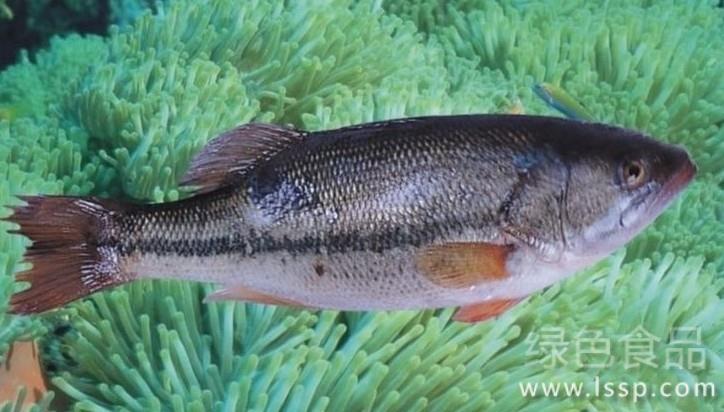
Largemouth bass
1. Cause: Aeromonas hydrophila.
2. Symptoms: Largemouth bass infected with putrefactive skin disease swim slowly at the water surface and cannot dive underwater when startled. The main symptoms are ulcers on the mouth, with the most severe ulcers on the lower jaw; decay on both sides of the body surface, accompanied by congestion at the base of the fin rays. In the early stage of the disease, the affected areas look like inflamed injuries, then the scales fall off, the skin becomes red, swollen, and decayed, and the damage gradually extends into the dermis and muscle, forming irregular round patches; ulcers appear on the head, and exposed skull is often visible.
3. Epidemic characteristics: The disease begins to occur every year from mid-to-late April. Two peaks appear from May to June and from September to October. The disease strikes fiercely; once it occurs, it causes massive outbreaks and deaths within three days. If decisive prevention and control measures are not taken, the disease will spread widely, and the incidence rate can reach 100%.
4. Analysis of causes: The disease is triggered by nutritional deficiency, reduced disease resistance, and secondary bacterial infection. Because frozen fish contain large amounts of "vitamin-degrading enzymes," largemouth bass develop vitamin deficiency after eating frozen fish; in addition, if thawing is not thorough, there are often ice blocks inside the fish pieces, and after largemouth bass eat them, indigestion occurs. Histamine produced by protein decomposition during the storage and transportation of frozen fish combines with free amino acids to produce "putrefactive toxin," which damages the internal organs. At the same time, after large amounts of frozen fresh fish are fed, the water quality and bottom sediment of the culture pond deteriorate; excessive stocking density and cross-infection cause outbreaks of the disease.
5. Prevention and control: ① It is best to feed fresh fish pieces. If frozen fish pieces are used, they must be thoroughly thawed and disinfected with 3% salt water before feeding. ② For pond culture, thoroughly clear the pond with quicklime, and every 10 to 15 days alternately splash the whole pond with 20 mg/L quicklime and 0.3 mg/L chlorine dioxide for disinfection. Add vitamin C to the feed, with an addition amount of 1‰ to 3‰ of the weight of the largemouth bass feed. ③ For diseased fish ponds, first disinfect with trichloroisocyanuric acid, then splash the whole pond with iodine preparation every other day for 3 consecutive days. At the same time, add norfloxacin and chlortetracycline to the feed and mix them in for feeding.