Distiller's grains are rich in nutrients; key technical points for fattening cattle with distiller's grains
Distiller's grains are rich in nutrients. Each kilogram of distiller's grains contains 412 kcal of total calories. In the dry matter, the crude protein content is 26%, the crude fiber content is 11.41%, the crude fat content is 7.48%, and the crude ash content is 12.17%. They are also rich in vitamin A and yeast, and can be used for fattening beef cattle.
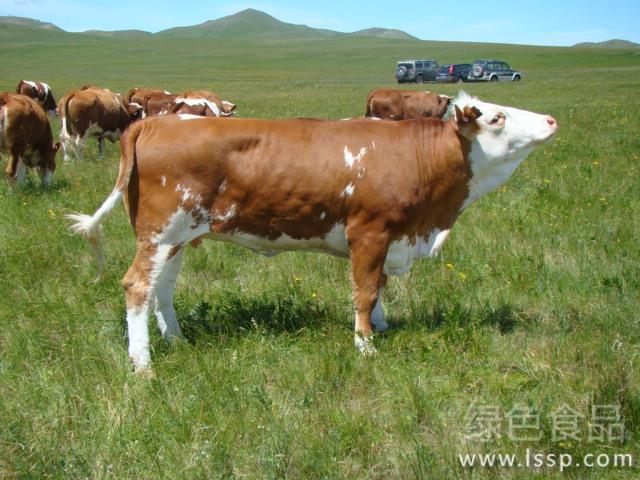
Beef cattle
Selecting beef cattle for fattening:Mainly select feeder cattle, requiring strong limbs, no digestive tract diseases, no infectious diseases, tight coat, and healthy male beef cattle. The body weight at entry to the pen must reach more than 200 kg. Crossbred offspring with Simmental, Angus, Limousin and other breeds as the sire are preferred.
Healthy male calves aged 3 to 4 months can also be fattened with distiller's grains after early training and feeding.
Storage and retrieval of distiller's grains:
Distiller's grains contain a lot of water, so they must be stored properly. It is best to build a cement pit for storage, or use thick plastic bags. When taking distiller's grains from the pit, they should be taken from the horizontal plane, not from the vertical face, which can reduce the amount of distiller's grains that rot. After each retrieval, the distiller's grains must be covered tightly again with plastic film, and plastic bags must be tied tightly to avoid contact with air, which causes rot.
Preparation before fattening:
1. Deworming: After the beef cattle enter the pen, use long-acting ivermectin for deworming, with a dosage of 1 ml per 50 kg of body weight. After the first deworming, repeat once 10 days later.
2. Stomach strengthening: Use proprietary Chinese medicine preparations such as cattle stomach medicine and health lozenges to strengthen the stomach of the cattle. If the beef cattle have mild diarrhea after entering the pen, stop the diarrhea first, then deworm and strengthen the stomach.
Amount of distiller's grains and feed
1. From 3 months to 8 months of age: daily ration mix, per 50 kg of body weight, 3 kg of distiller's grains, 8 kg of green (roughage) feed, and 0.5 kg of supplementary concentrate.
2. From 8 months of age to slaughter: amount of distiller's grains, per 50 kg of body weight, 8 kg of distiller's grains, 5 kg of green (roughage) feed, and 0.5 kg of concentrate.
Feeding and management techniques
1. At the beginning of feeding, a small number of cattle will not adapt, so they should be trained gradually, from less to more, until the beef cattle are fully adapted. Every day, take out the distiller's grains needed from the pit and mix them evenly with the concentrate. Feed twice a day. After the beef cattle finish eating, then provide the green (roughage) feed. One hour later, provide sufficient and clean drinking water.
2. Take distiller's grains fresh, mix them fresh, and feed them fresh. Do not mix too much at one time. It is forbidden to feed moldy or spoiled distiller's grains. If they are fresh distiller's grains, do not feed too much, to prevent poisoning of the beef cattle.
Cattle
3. Distiller's grains are strongly acidic. With added concentrate feed, over time the stomach acid of the beef cattle becomes excessive and causes autogenous acidosis. Therefore, sodium bicarbonate must also be fed at 5 grams per head per day, mixed evenly with the distiller's grains and concentrate feed.
4. Before each feeding, check whether there is residual feed in the trough. If there is, it must be cleaned up thoroughly before feeding, to avoid gastrointestinal diseases in the beef cattle caused by eating spoiled feed.
5. When preparing concentrate feed, be careful not to use moldy feed ingredients, to prevent aflatoxin poisoning in the beef cattle.
6. When feeding, impurities in the feed such as plastic filaments, stones, iron wire, and plastic bag residue should be picked out, so as not to pierce the cattle stomach and affect rumination of the beef cattle.
7. Fixed time and fixed amount. The feeding time each day should be basically the same, within 1 hour of difference, so as not to disrupt the conditioned reflex of the beef cattle to eat.
8. Regularly brush the skin of the beef cattle to improve blood circulation and reduce skin diseases.
9. Regularly clean up the manure of the beef cattle. In winter, wash the cattle shed as little as possible, and give the beef cattle a clean and dry environment. In winter, protect against cold and keep warm; in summer, protect against heat and cool down.