Pigs suffering from heatstroke can easily die if treatment is delayed; how can heatstroke in pigs be prevented and treated in summer?
In the hot and humid summer, pigs are prone to heatstroke. They are normal in the morning, then suddenly in the afternoon become listless, completely lose their appetite, like to lie in damp places, and their body temperature rises sharply, often above 41°C, and can even reach 44°C. In the early stage, there is difficulty breathing and severe panting; in the later stage, convulsions and ataxia. Pigs about to give birth, lactating sows, and pigs with limb and hoof diseases are prone to it, becoming signal pigs.
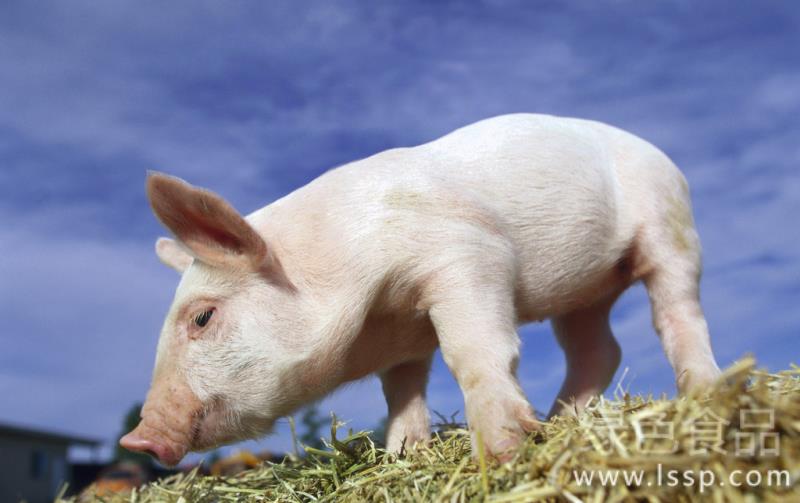
Pig
In hot seasons, pig feeding management and heat prevention work must be done well. Keep the pig house ventilated and cool, and prevent dampness, stuffiness, and crowding. Transport live pigs at night as much as possible, and do a good job of heat prevention and emergency rescue. When a sick pig is found, immediately place it in a cool, ventilated place, first pour cold water (ice water) on its head or give a cold water enema, give the pig a large amount of 1~2% cool salt water by drenching, and intravenously inject 2~3 ml of 2.5% chlorpromazine hydrochloride solution, 5% glucose, 200 ml of normal saline, and 5 ml of 20% caffeine sodium benzoate solution. If the pig has concurrent pulmonary congestion and edema, first inject 5 ml of 20% caffeine sodium benzoate solution, then immediately bleed 100~200 ml intravenously; after bleeding, intravenously inject 100~300 ml of compound sodium chloride solution, repeating the injection once every 3~4 hours; for pigs that are manic and restless with a rapid heartbeat, subcutaneously inject 10 ml of analgin and 3 ml of chlorpromazine hydrochloride. Orally administer 10~20 ml of Shidishui medicine once, 2 times a day; combined with the above drug treatment, it has an obvious effect on heatstroke in fattening pigs.
Ensure ventilation in the pig house: the pig house should be cleaned 2 times a day and washed 1 time. Pig manure is a heat source material in summer and should be thoroughly cleaned up. Fully open the doors and windows of the pig house to help live pigs ventilate and dissipate heat. Where conditions permit, exhaust ventilation facilities can be installed.
Rinse and spray with cool water: for pig houses with brick-concrete structure and cement floors, on the basis of ensuring cleanliness and hygiene, rinse the 1 m high sanitary wall and floor of the pig house with cool water at 1 pm and 5 pm every day. For pigs weighing more than 75 kg, spray with cool water to help fattening pigs pass the summer safely.
Adjust the diet structure: in summer, the energy feed in the pig diet (such as corn and oil bran) should be reduced to below 45%, protein feed (such as soybean meal, cakes, and beans) should be increased by 1~2%, and an appropriate amount of high-quality green feed should be added to help prevent heatstroke and cool down.
Equip with heat-relieving materials: pig farmers should be equipped with a certain amount of mint, camphor tincture, licorice, talc, sodium sulfate, mung beans, wild chrysanthemum, edible vinegar, and other heat-relieving materials, soak them in cool water for 24 hours, and give them to live pigs to drink; the heat-relieving effect is good. Provide enough clean drinking water for pigs to drink freely.