Young rabbits die from exhaustion and convulsions in the limbs caused by coccidial diarrhea; how to prevent and treat it?
In summer, with high temperatures and frequent rain, environmental factors such as high temperature and high humidity easily cause diarrheal diseases in domestic rabbits. Generally, diarrhea in domestic rabbits in summer has 3 main causes: first, feeding moldy and spoiled feed; second, drinking water contamination; third, coccidial infection. However, the diarrheal disease that commonly occurs and frequently breaks out in domestic rabbits in summer is mainly caused by coccidial infection.
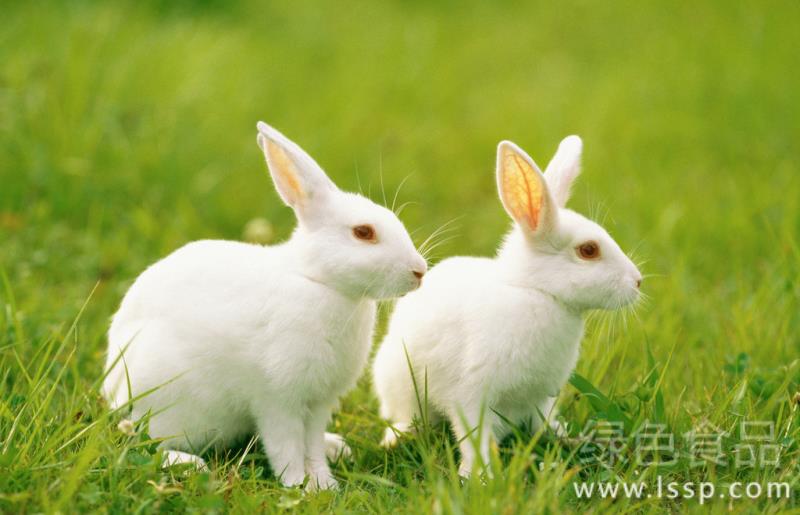
Rabbit
Rabbit diarrhea caused by coccidia occurs mainly from April to September, with July to August being the peak period, and it mostly infects young rabbits aged 2 to 3 months.
The clinical manifestations of hepatic coccidiosis and intestinal coccidiosis are relatively similar. In the early stage of the disease, the rabbit has reduced appetite, listlessness, slow movement, increased secretions from the eyes and nose and increased saliva, and the hair around the mouth is moist, with diarrhea alternating with constipation; in the late stage of the disease, the intestines become distended, the abdomen enlarges, diarrhea occurs, the feces are brown with a strong foul odor, and the area around the anus is severely contaminated with feces. When young rabbits are affected, they become emaciated and weak, the conjunctiva is pale, and in the later stage neurological symptoms appear, with the head tilted backward, convulsions of the limbs, screaming, and finally death from exhaustion. In rabbits affected by hepatic coccidiosis, palpation of the liver area produces a pain response.
Adding anticoccidial drugs to rabbit feed can prevent rabbit diarrhea caused by coccidia in summer. For example, robenidine, diclazuril, toltrazuril, sulfaquinoxaline, and clopidol can be mixed into the feed for preventive feeding, generally for about 10 consecutive days. In addition, because coccidia easily develop drug resistance, anticoccidial drugs should be used alternately on the same rabbit farm, changing once every 2 to 3 months, and 2 to 3 anticoccidial drugs with different active ingredients should be used alternately.
After coccidiosis occurs, feces contaminated by coccidia should be promptly piled up and fermented to kill the coccidia, and must not be used directly as farmyard manure, so as to avoid causing coccidial contamination. Rabbit cages where coccidiosis has occurred should be immediately disinfected with flame to avoid cross-infection. Domestic rabbits diagnosed with coccidiosis can be treated with sulfonamide drugs, 2 times per day.