High mortality in chicks from aspergillosis: how to prevent and treat it?
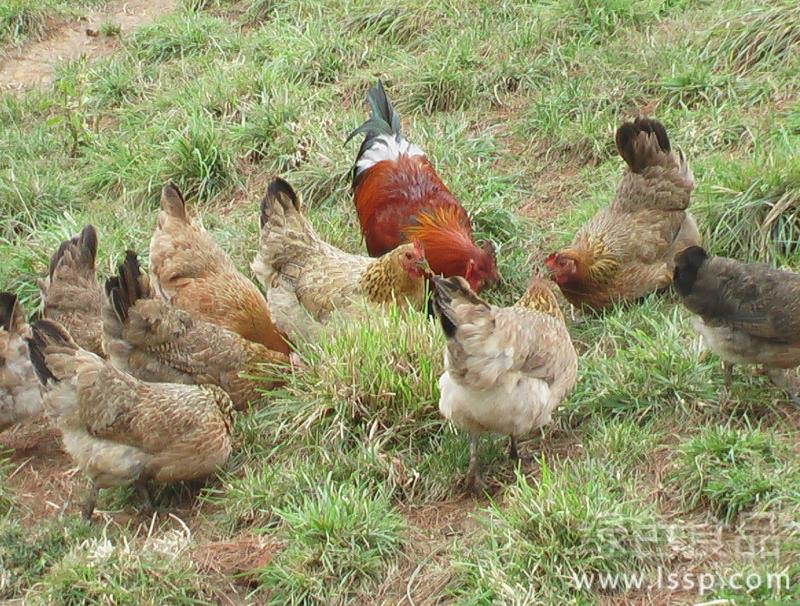
Chickens
This year, southern China has had above-average rainfall, and temperatures of around 38°C have also occurred, causing serious impacts on poultry farming, especially the chicken industry. The most important impact is mold in feed and litter, so preventing and treating Aspergillus is an important measure to ensure the chicken industry stays safe through the summer.
Chicken aspergillosis is a common fungal disease. Moldy feed, moldy litter, and overcrowding are all causes of the disease in chickens. Chicks are susceptible, and it spreads mainly through the respiratory tract and digestive tract. Mold on the surface of hatching eggs can also penetrate the eggshell and infect the embryo, so chicks show symptoms as soon as they hatch.
Main symptoms and lesions: Early signs: reduced feed intake, not eating, thirst, dullness, ruffled feathers, a sleepy appearance, progressive weight loss, difficulty breathing, panting, and a peculiar hoarse sound when exhaling. An ulcer forms in the center of the cornea in chicks, and diarrhea occurs in the later stage.
Prevention and treatment: 1) Detect and eliminate sources of mold promptly; anti-mold additives can be added to chicken feed; 2) Pay attention to ventilation and sanitation and disinfection; 3) Drug treatment: nystatin, penicillin, ketoconazole, and clotrimazole are relatively effective.