Laying hens' constitution declines after the hot summer, feeding and management methods for early autumn
After the hot summer, laying hens' constitution declines. As autumn arrives, the climate turns cool, and laying hens' feed intake increases. At this time, strengthening feeding management helps restore the hens' constitution and improve poultry raising returns. Once summer passes and the weather turns cold, during the summer-to-autumn transition, laying hens are prone to cold-heat stress, which causes changes in the laying cycle. At this point, poultry farmers should prepare in advance. After early autumn arrives, the weather turns cool; old laying hens enter the late laying stage, and new laying hens begin laying one after another. The following feeding management practices can help laying hens lay more eggs and improve economic returns.
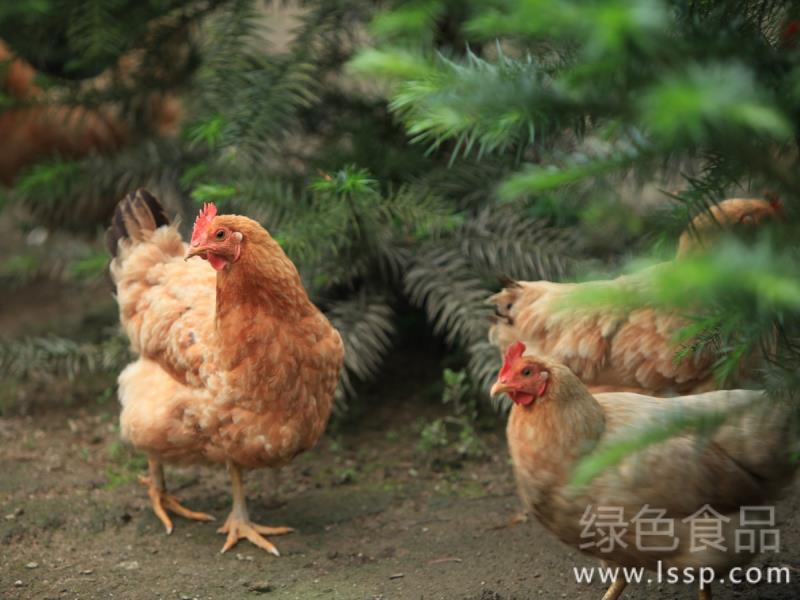
Laying hens
1. Adjust the flock:Laying hens that lay few eggs, have stopped laying, are weak, have severe vices, have a short peak laying period, or are too fat or too thin, as well as sick hens and stunted hens with no treatment value, should all be culled.
2. Increase feed nutrition:After long-term laying and the hot summer, the hens' bodies are already fatigued. After early autumn arrives, feed more animal protein feed to help hens that have not yet molted continue laying, and promote hens that have already molted to quickly grow feathers and resume laying as early as possible. At this time, laying hens are nervous and sensitive; when increasing higher-nutrition feed, it must be added and removed slowly to avoid stimulating the hens' nerves and causing molting and cessation of laying.
3. Prevent colds and fowl pox:After early autumn arrives, the weather turns cool, and the temperature difference between morning and evening is large, making hens susceptible to colds. First, prevent colds; when hens catch colds, their resistance decreases, making them prone to concurrent infectious diseases, so laying hens should not be let out into the exercise yard too early. Fowl pox mostly occurs in late autumn at the start of laying and mostly infects young chickens of the year. To avoid this disease, prevention should be done well, with the focus on preventing mosquitoes and moisture.
4. Do a good job of epidemic prevention and deworming:Autumn climatic conditions are suitable for pathogen reproduction, and laying hens are prone to infectious diseases. At this time, a vaccination injection should be given, and internal parasites should be expelled (especially roundworms and tapeworms).