How to Prevent and Treat Duck Colibacillosis in Meat Ducks with Abdominal Distension and Reduced Appetite
Duck colibacillosis in meat ducks is a common disease caused by environmental pathogenic bacteria. Damp and crowded duck houses, dim lighting, and nutritional deficiencies in feed are all prime culprits that trigger duck colibacillosis in meat ducks. Understanding duck colibacillosis, with early detection and early treatment, is essential.
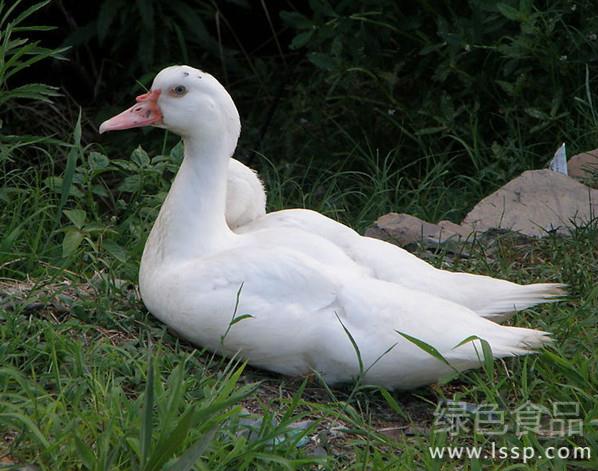
Duck
1. Clinical symptoms. Affected ducks show: listlessness, standing still or huddling together, neck retracted, eyes closed, unwillingness to move, reduced appetite and in some ducks complete loss of appetite, passing grayish-white or yellow-green watery droppings, with the feathers below the vent damp and soiled, covered with a large amount of feces. The abdomen appears distended, presenting a “pendulous abdomen” appearance.
2. Preventive measures. Reduce the stocking density of the duck flock; ensure ventilation in the duck house, keep the duck house dry, and clean out manure promptly; when brooding on the floor, change the litter frequently; adopt an “all-in, all-out” system and carry out thorough disinfection inside and outside the duck house at regular intervals; for duck farms with ponds, keep the water body clean, change the water frequently, and disinfect frequently; and vaccinate with a specially made E. coli vaccine.
3. Treatment measures.For drug treatment, sulfonamides, enrofloxacin, ciprofloxacin, etc. can be used, administered according to the dosage and course specified in the instructions. Where conditions permit, a drug sensitivity test can first be performed on the ducks, and sensitive drugs selected for treatment.