Beef Cattle Autumn Farming Techniques: Improper Forage Processing Can Easily Cause Poisoning
(1) Storing feed. Use pasture grass, corn and rice straw combined with ensiling, yellow ensiling, microbial ensiling and ammoniation techniques to produce feed. Whole-plant corn silage suffers little nutrient loss and keeps for a long time, and after lactic acid fermentation its palatability improves. Corn straw silage is called yellow silage; microbial ensiling means adding a highly effective active fermentation agent during the ensiling process for anaerobic fermentation, and the most widely used at present are cellulose-decomposing bacteria; ammoniation is mainly aimed at crop straw with lower moisture content and higher lignin, such as rice straw and wheat straw, by spraying an appropriate amount of ammonia water. Well-ammoniated straw is yellow-brown, glossy, has a kind of paste-like aroma and a soft texture, which increases the palatability for beef cattle. When using it, the ammonia must be released, otherwise it can easily cause ammonia poisoning in beef cattle.
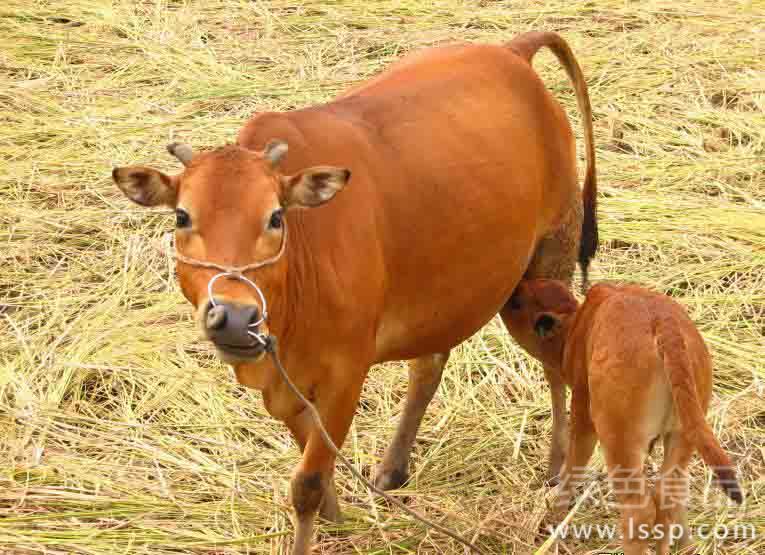
Beef cattle
The pH of fermented feeds such as silage and yellow silage is generally around 5.0. During fermentation, acetic acid and lactic acid are produced, which makes the acidity of the silage too high; this not only reduces palatability but also has a corrosive and irritating effect on the teeth and gastrointestinal tract of beef cattle. Adding an appropriate amount of urea can solve this problem and can also increase the protein content of the silage. Fermented products such as distillers' grains and fruit pomace are highly acidic; using them to fatten beef cattle long-term makes the cattle's hair dull and their hide tight, and greatly affects the quality of the beef, so an appropriate amount of baking soda can be added to the concentrate feed when feeding.
Concentrate feed storage includes energy and protein feeds. Energy feed is mainly corn; for protein feed, low-priced rapeseed cake and cottonseed meal can replace soybean meal; in addition, feed additives such as lick bricks should also be stored to supplement the deficiencies in the feed's nutritional composition.
(2) Timely restocking. In late autumn, after some large grazing areas end their grazing period, they need to deal with the calves born that year because of restrictions on forage and feed. Whether considering price or quality, fattening farms are quite suitable for buying young cattle. When buying beef cattle from a distance, it is necessary to prevent bovine transport stress syndrome, namely “shipping fever” (pneumonia). Measures can be taken: ask experienced people to help select the beef cattle, do not rush to load them onto the truck, and observe them first; avoid double-decker vehicles that do not shelter from wind and rain, and ensure drinking water, supplementary feeding and sedation for the beef cattle during transport, and prevent them from lying down; after the cattle arrive, ensure drinking water and salt supplementation, gradually change the feed, strengthen nutrition, and carry out disinfection and isolation; choose good drugs, use reasonable formulas, control sick cattle promptly and in sufficient dosage, and cull seriously ill cattle early.
(3) Barn ventilation. Beef cattle are not affected in their growth and development rate at temperatures of 0-4°C, but many cattle farms currently place excessive emphasis on keeping the barn warm, which makes the barn highly humid. When barn humidity exceeds 70%, the growth rate of beef cattle declines, so ventilation facilities need to be considered when building a barn. In addition, beef cattle must be guaranteed sufficient light; on clear days, lead the beef cattle out of the barn for natural light; in autumn and winter, beef cattle enter barn feeding, and herd density increases, raising the risk of infectious diseases. Ventilation can reduce the incidence of disease in beef cattle to a certain extent.