Proper management of breeding pigeons ensures the healthy growth of squabs
Young pigeons at 5 months of age can begin pairing; by 6 months of age they have reached sexual maturity, most of the primary flight feathers have been replaced up to the last one, and they have basically entered the breeding pigeon stage.
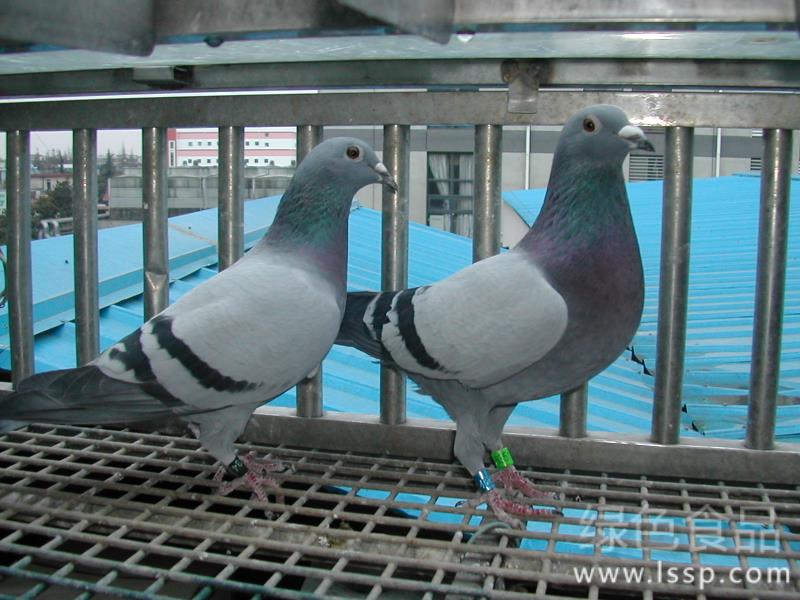
Breeding pigeons
1. Preparation before laying: Breeding pigeons begin laying 8-10 days after pairing. At this time, if conditions permit, they should be kept in cages (or moved into a pigeon house with nest boxes), and an egg-laying nest lined with 1 layer of linen cloth should be prepared to prevent the eggs from breaking. Check the pigeon house for any holes to prevent disturbance by cats, dogs, snakes, and rats, and avoid the invasion of drafts and rain leakage that could cause losses.
2. Management from laying to before hatching: 1. After laying, promptly check for deformed eggs and broken eggs, and remove any found in time. Frequently observe whether the nest of first-time layers is fixed, and 2 whether the breeding pigeons are concentrated at the central bottom of the nest. 2. For newly paired pigeons, observe whether they get along harmoniously, whether they often jump around and peck at each other, causing eggs to be stepped on and broken. Special care should be taken with large-bodied pigeons to prevent them from crushing the eggs, and especially to prevent breeding pigeons with incomplete nutrition or feather-pecking vice from pecking and eating the breeding eggs. 3. Carry out egg candling on schedule, deal with bad eggs in time, and promptly remove infertile eggs, dead sperm eggs, and dead embryo eggs, to prevent the eggs from becoming rotten and affecting the development of normal breeding eggs and the health of the laying pigeons. When infertile eggs and dead embryos are found, the cause should be identified and the management system improved.
3. Merge pigeon eggs laid at the same time for paired incubation: For those that lay 1 pigeon egg per clutch or have 1 left after 2 candlings, they should be merged for paired incubation to increase productivity.
4. Keep the nest warm and clean: Prepare double nests. After the squabs are born, attention should be paid to keeping them warm. Frequently change the linen (dry hay) and frequently wash away droppings to maintain cleanliness and hygiene. When the squabs are 12 days old, a spare nest should be placed, because at this time the breeding pigeons begin laying a second clutch, which is laid in about 15 days. The breeding pigeons then simultaneously bear the tasks of feeding and incubating, so at this stage care and management should be even more meticulous, with increased nutrition and more feeding times, to ensure the breeding pigeons complete the dual task.
5. Registration and records: Keep production records of laying pigeons at all times, to provide numerical basis for future breeding pigeon feeding and management.