What pesticides are commonly used for controlling pests and diseases in chrysanthemums?
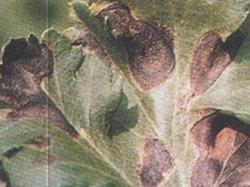
I. Main symptoms: They occur on the leaves, mostly on the lower leaves. The lesions begin as chlorotic yellow spots; after expanding, the lesions become round to irregular in shape, with dark brown edges and grayish-brown centers; in the later stage the lesions dry up and black granular bodies appear. II. Cause of the disease: It is a fungal disease. The pathogen survives in the soil...
 Chrysanthemums are prone to many pests and diseases, so prevention requires attention. In addition to common physical control methods, chemical control is used relatively frequently; only when pesticides are used accurately can the best control results be achieved.
I. Commonly used pesticides for diseases
Chrysanthemums suffer from relatively many diseases, mainly banded leaf blight, leaf spot blight, rust, powdery mildew, and spot disease. The pesticides commonly used include Banling, chlorothalonil, Baike emulsifiable concentrate, thiophanate, colloidal sulfur, Miebingwei, Zhibingling, carbendazim, and Haoshengling.
II. Commonly used pesticides for insect pests
Chrysanthemum pests include aboveground pests such as aphids, thrips, leafminers, and stem borers. Belowground pests mainly include cutworms and scarab beetle larvae. For aboveground pests, 20% chrysanthemum-killing emulsifiable concentrate, Miebaike, trichlorfon crystals, and Xingmianbao can be used for control. For belowground pests, dimehypo and similar products can be used for control. Pests also include red spiders and rust mites; for these pests, propargite, fenbutatin oxide, Torque, amitraz, and dichlorvos can be used for control.
When using pesticides, pay attention to weather changes. Do not spray before heavy rain or on cloudy days, as such weather will affect the effectiveness of the pesticide. Generally, choose a sunny morning or evening for application.