What are the control methods for rose black spot disease?
Black spot disease mostly occurs in the hot and humid rainy season. Purple-brown round lesions appear on the upper surface of the leaves, with slightly ciliate edges, and many small black dots grow in the center. These small black dots are the acervuli of the pathogen. After the small black dots crack open, spores are released, causing the disease to spread, and it can also spread with rainwater. Black spot disease relies on con...
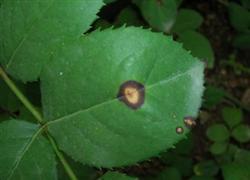
Black spot disease mostly occurs in the hot and humid rainy season. Purple-brown round lesions appear on the upper surface of the leaves, with slightly ciliate edges, and many small black dots grow in the center. These small black dots are the acervuli of the pathogen. After the small black dots crack open, spores are released, causing the disease to spread, and it can also spread with rainwater.
Black spot disease overwinters on the plant or on fallen leaves by means of conidia, so before winter all diseased leaves should be picked off and burned, then a spray of Baumé lime sulfur mixture should be applied, and then the plants should be moved to a cellar for storage. After the disease occurs, never spray water on the plants again, otherwise it will spread faster, often causing the rose leaves in the whole garden to turn yellow, wither, and fall off. At the early stage of the disease, 1000-fold carbendazim solution should be sprayed immediately; spraying it twice in succession can bring the disease under control. Carbendazim is rather expensive, so during the growing season a 0.2-0.3 degree Baumé lime sulfur mixture can also be sprayed.