Orchid Growing Methods and Precautions Explained in Detail
Orchid growing methods? Here is an introduction. Orchid growing methods can refer to the following key points: Light. Orchids are semi-shade plants; they love sunlight but must absolutely avoid scorching sun. Semi-shade is most suitable, that is, a shading rate of 50% to 70% is required. Generally, a higher shading rate is required in summer, while in winter and spring the amount of light should be appropriately increased...
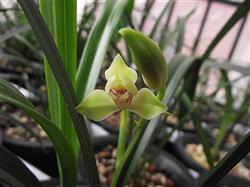
Orchid growing methods? Here is an introduction
Orchid growing methods can refer to the following key points:
Light. Orchids are semi-shade plants; they love sunlight but must absolutely avoid scorching sun. Semi-shade is most suitable, that is, a shading rate of 50% to 70% is required. Generally, a higher shading rate is required in summer, while in winter and spring the amount of light should be appropriately increased. Because indoor light is easy to control, it is best to grow orchids indoors at home. If orchids are grown outdoors, certain shading measures should be taken.
Temperature. Generally speaking, the temperature suitable for orchid growth is above 25-30°C, and different orchid varieties have different temperature requirements. When the temperature exceeds 30°C, be sure to water to lower the temperature.
Humidity. Orchids have relatively high humidity requirements; generally during the growing period from April to September, a relative humidity above 80% needs to be maintained, and in winter it can drop to around 50%. In summer and autumn more than in winter and spring, and on sunny days more than on rainy days, even more attention should be paid to letting orchids absorb moisture. If sprinkling water, it can be done 2-3 times a day, to the extent that the leaf surfaces and pot surfaces are wet; if watering, it can be done once every 2-3 days, until water flows out from the bottom of the pot.
Ventilation. Poor ventilation easily causes orchids to suffer from pests and diseases, and the tips of the leaves often become scorched and withered. Ventilation should especially be strengthened in summer; if conditions permit, an exhaust fan or electric fan can be used to circulate the air.
Fertilizer level. Orchid plants do not have a large demand for fertilizer, and root absorption is also relatively slow. Therefore, fertilizer should not be applied excessively.
Click to get more orchid growing techniques
Click to get more flower growing techniques