How to grow potted azaleas? Master the correct growing methods
How to grow potted azaleas? What should you pay attention to with potted azaleas? Experienced readers are asked to help explain. Azalea, also known as yingshanhong and mountain pomegranate, is an evergreen or semi-evergreen shrub. Legend has it that in ancient times there was a cuckoo bird that cried day and night until it coughed blood, dyeing the flowers all over the mountains red, and so it got its name. Zhongdi Network has compiled the potted azalea...
 How to grow potted azaleas? What should you pay attention to with potted azaleas? Experienced readers are asked to help explain
Azalea, also known as yingshanhong and mountain pomegranate, is an evergreen or semi-evergreen shrub. Legend has it that in ancient times there was a cuckoo bird that cried day and night until it coughed blood, dyeing the flowers all over the mountains red, and so it got its name. Zhongdi Network has compiled the growing methods and precautions for potted azaleas, listed in detail below for readers' reference.
Selection of azalea growing soil and pots:
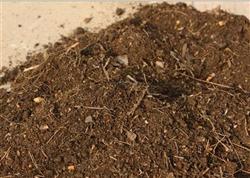
Azaleas are shallow-rooted acid-loving flowers (with pH 4.5-6.5 being suitable). The root hairs are slender and as dense as silk threads, distributed in the upper layer of the pot soil, so they are most averse to sticky and alkaline soil. Whether for propagation or planting, acidic growing soil must be used. You can use half peat soil and half plain sand, add a small amount of leaf mold and barnyard manure, pile them for a period of time, and use them after the fertilizer and soil have blended well, with very good results.
Azalea planting pots should not be too large or too deep. Choose tile flower pots with good permeability according to the size of the plant shape. When potting or changing soil, the root ball must not be broken apart.
Azalea management:
In spring, summer and autumn, they should be cared for under light shade. Before the rainy season arrives, water should be sprayed frequently to increase air humidity, but water must not be sprinkled on the plants, to prevent leaf rot. The pot soil should be alternately dry and moist, and must not be waterlogged.
If the leaves are found to turn yellow, immediately water with a 500-fold ferrous sulfate solution. Do not force-feed concentrated fertilizer, and even more so do not apply chemical fertilizer. It is best to frequently water with fermented grass water instead of fertilizer, which is extremely beneficial for flowering. Before winter begins, move them indoors, and keep the room temperature at around 15°C. They can bloom in early spring.
Azalea pruning:
Azalea leaves are whorled at the tips of short branches, and flowers bloom among the leaf clusters; after the flowers fade, new branches and new leaves sprout from the terminal buds, the original old leaves fall off, and then flower buds differentiate from the terminal buds of the new branches, blooming again the following year. Therefore, the branches must not be shortened, and should instead be allowed to grow naturally. If the branches on the plant are evenly distributed and clearly layered, the plant shape will not become chaotic even without pruning.
Precautions to note for potted azaleas:
1. Azaleas like shade and fear the sun. Strong direct light easily scorches them, but excessive shading will also cause poor growth, and flower buds are not easily formed.
2. Azaleas are physiologically deficient in iron, and chlorophyll synthesis is affected, causing the leaves to become smaller and appear yellow-white.
3. They can generally tolerate low temperatures below 10°C, but because azalea roots are shallow and fine, close to the surface soil, they cannot tolerate heat.
4. Because azalea roots are slender, their water absorption and supply capacity are both poor, and they fear both drought and waterlogging. They can grow well only when air humidity is 70% to 90%.
5. Watering azaleas must be just right. If the surface is wet but the bottom is dry, the root system will be damaged and old leaves will fall early; if water accumulates and roots rot, new leaves will be white and yellow; if water is lacking during the flowering period, the petals will droop softly; if water is lacking during the leaf-expansion period, the heart leaves will curl and the leaf color will turn yellow.
6. If azaleas lack nitrogen fertilizer, the leaves will be thin and dull, the branches short and thin, and the flowers few and small; if azaleas lack phosphorus fertilizer, some leaves will turn red-purple and easily fall; when azaleas lack potassium fertilizer, the old leaves will be gray-green, the leaf margins yellow-green, and spots will appear on the leaves, eventually turning brown, even scorched and withered and falling.
7. If fertilizer is too concentrated or too abundant, it will cause reverse osmosis in azaleas. The fibrous roots will shrink due to water loss, and the leaf tips and leaf margins will lose their luster, gradually scorch and fall off.
8. Poor ventilation and stuffy air will also cause azalea leaves to fall.
9. Azaleas fear snow attacks and frost. For overwintering, around 8°C is suitable; if the room temperature is too high, they cannot go dormant, physiological activity does not decline, and nutrients continue to be consumed in large amounts, which is unfavorable for growth and development the following year.
Click to get more azalea growing techniques
Click to get more flower growing techniques