What are the precautions for fertilizer application and mixing
There are many issues worth noting during fertilizer application. Specifically, you should figure out which fertilizers can be mixed and applied together and which cannot. Mixing ammonium bicarbonate with superphosphate can allow crops to absorb nutrients such as nitrogen and phosphorus while also neutralizing part of the free acid in superphosphate and eliminating its harm. But it should...
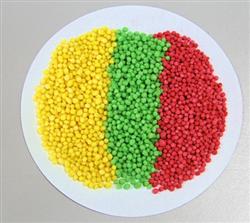
There are many issues worth noting during fertilizer application. Specifically, you should figure out which fertilizers can be mixed and applied together and which cannot.
Mixing ammonium bicarbonate with superphosphate can allow crops to absorb nutrients such as nitrogen and phosphorus while also neutralizing part of the free acid in superphosphate and eliminating its harm. But note that the mixing ratio of the two should be appropriate, and the pH value should remain slightly acidic to neutral, and must not be alkaline. Otherwise, the water-soluble phosphorus in superphosphate is likely to convert into poorly soluble phosphorus in an alkaline environment, thereby reducing fertilizer efficiency.
Among the products formed after mixing ammonium nitrate and potassium chloride, some are ammonium chloride and potassium nitrate. They have better physical properties than ammonium nitrate, are less deliquescent, and are easier to apply. However, after mixing, they should not be stored for a long time.
Composting phosphate rock powder or calcium magnesium phosphate fertilizer with compost. It helps promote the fertilizer efficiency of phosphate fertilizer. This is because the organic matter in compost decomposes to produce organic acids, which can convert poorly soluble phosphate fertilizer into a soluble form.
Superphosphate and ammonium nitrate should be mixed and applied immediately, or 10% to 20% phosphate rock powder or 5% plant ash should first be used to neutralize the free acid in superphosphate, and then they should be mixed and applied.
When mixing urea with potassium chloride or superphosphate, a small amount of dry barnyard manure or dry peat can be added (add 50 kg per 500 kg of fertilizer), and it should be mixed and used immediately.
Ammonium nitrogen fertilizer or manure cannot be mixed with alkaline fertilizers (such as plant ash, calcium magnesium phosphate fertilizer, etc.), otherwise it is likely to cause nitrogen volatilization loss.
Superphosphate cannot be mixed with alkaline substances. Otherwise, soluble phosphoric acid will become weakly soluble or poorly soluble phosphoric acid, reducing the availability of phosphorus.
Nitrate nitrogen fertilizer should not be mixed with organic fertilizer, especially undecomposed organic fertilizer, because the pentose in organic fertilizer is the most suitable nutrient for nitrate-reducing bacteria, which will promote nitrate reduction and cause nitrogen volatilization loss.