How to prevent and control Osmanthus brown spot disease? These methods you need to know
Osmanthus brown spot disease is a common disease of osmanthus, caused by infection with fungi of the subphylum Deuteromycotina. It occurs in both field-planted and potted osmanthus plants. When it strikes, mild cases affect the ornamental effect, while severe cases cause plant death. Symptoms mostly occur on leaves, mostly spreading from the leaf tip and leaf margin toward the entire leaf. In the early stage, the lesions are light...
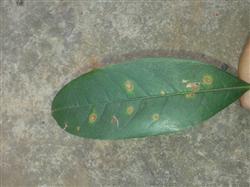
Osmanthus brown spot disease is a common disease of osmanthus, caused by infection with fungi of the subphylum Deuteromycotina. It occurs in both field-planted and potted osmanthus plants. When it strikes, mild cases affect the ornamental effect, while severe cases cause plant death.
Symptoms Mostly occur on leaves, mostly spreading from the leaf tip and leaf margin toward the entire leaf. In the early stage, the lesions are light gray, then expand in irregular fan shapes, and in the later stage the lesions gradually dry up, turn brown, and bear black granular bodies.
Occurrence pattern The pathogen overwinters on diseased plant residues and spreads by wind, rain, watering and other means. For outdoor cultivation in the north, the disease is most severe from late spring to mid-autumn.
Prevention and control methods 1. Promptly remove diseased plant residues; 2. Strengthen water and fertilizer management to enhance plant disease resistance; 3. The growing environment should be well ventilated and have good light transmission; do not spray water during the disease period, and avoid rain; 4. Promptly control piercing-sucking pests such as scale insects and aphids; 5. Before bringing plants indoors in late autumn, spray twice with 70% mancozeb wettable powder 500 times dilution for prevention and control; 6. If it occurs, use 90% chlorothalonil 500 times dilution or 50% carbendazim 500 times dilution for prevention and control.
Click to get more osmanthus cultivation techniques
Click to get more flower cultivation techniques