How to grow osmanthus in an apartment building? Remember these care methods
In winter, osmanthus grows slowly and is in a relatively dormant period, but its internal tissues are growing vigorously, mainly carrying out flower bud differentiation, so that when the temperature rises in spring, it can produce flower buds and bloom. Therefore, the focus of winter care is to protect the plant and ensure that flower bud differentiation proceeds smoothly. The specific care techniques are as follows: 1. ...
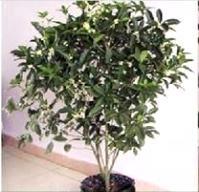 Urban residents living in apartment buildings have great difficulty cultivating osmanthus, mainly because after osmanthus is transplanted from its native habitat to the city, the growing environment and conditions have undergone great changes. Therefore, necessary measures must be taken in the cultivation and management of osmanthus to create a suitable microclimate for its normal growth and development. In general: prevent high temperatures in winter and prevent dryness in summer.
The temperature required for normal dormancy of osmanthus is between 0°C and 5°C. Below 0°C, osmanthus may suffer cold damage; above 5°C, the buds of osmanthus will begin to stir and sprout. Nowadays, urban apartment buildings generally have central heating, and room temperatures are mostly above 15°C. Under such temperature conditions, osmanthus will break its normal dormancy period and sprout branches and leaves early. Not only can it not accumulate sufficient nutrients through normal dormancy, but it also consumes a large amount of nutrients in the body prematurely, resulting in false lushness and prosperity. When osmanthus is moved outdoors in spring, the tender branches and leaves cannot withstand the lashing of cold, dry winds and will quickly wilt and dry up. If this continues for 2 to 3 years, the entire osmanthus plant will die.
For osmanthus growers living on the first floor with a courtyard, it is best not to put osmanthus on the balcony or in the room in winter. Because the room temperature is too high, which is not conducive to the dormancy of osmanthus, and although the balcony temperature is lower, it is not easy to control and fluctuates from high to low, which is also unfavorable to the dormancy of osmanthus. You can dig a soil pit in a sunny corner of the courtyard, depending on the size of the flower pot, place the flower pot in it, fill the soil level with the flower pot, or bury the flower pot with soil, build a frame, and cover it with plastic film.
For osmanthus growers living on the second floor and above, osmanthus should be placed on the balcony in winter, and a suitable environment should be created for it. The specific method is: seal the balcony tightly with aluminum alloy glass windows to prevent cold air from intruding. At the same time, use glass windows and doors to separate the balcony from the interior to prevent heating from entering. Relying on the natural temperature of the balcony can meet the dormancy requirements of osmanthus. If in the cold Northeast region, when the balcony temperature is below 0°C, you can slightly open the doors and windows to let in a small amount of heating, keeping the balcony temperature between 0°C and 5°C, and osmanthus can safely overwinter. In spring, as the temperature gradually rises, gradually open the balcony windows so that the temperature inside the balcony slowly adapts to the outside temperature. When the average temperature reaches above 0°C, all the balcony windows can be opened. Note that you should not open the windows too hastily, so as not to harm the osmanthus.
In summer, preventing dryness is an important part of osmanthus management. The balcony air is hot and dry, and ventilation is poor, which is very unfavorable to the growth and development of osmanthus. Osmanthus is native to the humid, moist, and well-ventilated natural environment of our country. Therefore, it is necessary to create a suitable environment for it and try to open the doors and windows of the balcony as much as possible to maintain air circulation. At the same time, to increase air humidity, you can lay a layer of bricks or water-absorbing mats such as cattail mats on the balcony floor, place the osmanthus on it, and frequently splash water on the bedding so that it fully absorbs water, relying on the natural evaporation of water to create a humid environment for osmanthus. In addition, in the hot summer, spray water on the branches and leaves of osmanthus at any time, which can not only lower the temperature of the osmanthus plant and wash away dust on the osmanthus leaves, but also meet the osmanthus's demand for moisture.
Click to get more osmanthus cultivation techniques
Click to get more flower cultivation techniques