What are the main components of tea leaves?
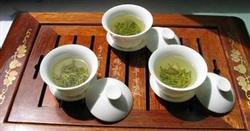
What components are in tea? Please introduce
Tea contains the following components:
Catechins: commonly known as 'tea tannins', they are components unique to tea, with a bitter, astringent taste and astringency.
Caffeine: has a bitter taste and is an important component of the tea infusion's flavor.
Minerals: tea contains 11 kinds of minerals such as potassium, calcium, magnesium, and manganese, which are rich in tea.
Functions of the basic components of tea:
Catechins:
Commonly known as 'tea tannins', they are components unique to tea, with a bitter, astringent taste and astringency. In the tea infusion, they can combine with caffeine to moderate caffeine's physiological effects on the human body. They have effects such as antioxidant, anti-mutation, anti-tumor, lowering blood cholesterol and low-density lipoprotein levels, inhibiting blood pressure rise, inhibiting platelet aggregation, antibacterial, and anti-allergic effects.
Caffeine:
Has a bitter taste and is an important component of the tea infusion's flavor. In black tea infusion, it combines with polyphenols to form a complex; the tea infusion forms an emulsified phenomenon after cooling. The catechins unique to tea and their oxidative condensation products can slow down and prolong the stimulating effect of caffeine, so drinking tea can help people driving long distances stay clear-headed and have more endurance.
Minerals:
Tea contains 11 kinds of minerals such as potassium, calcium, magnesium, and manganese, which are rich in tea. The tea infusion has more cations and fewer anions, so it belongs to alkaline foods. It can help body fluids maintain alkalinity and keep you healthy.
1. Potassium: promotes the excretion of blood sodium. High blood sodium content is one of the causes of high blood pressure, and drinking more tea can prevent high blood pressure.
2. Fluorine: has the effect of preventing tooth decay.
3. Manganese: has antioxidant and anti-aging effects, enhances immune function, and helps with the utilization of calcium. Because it is insoluble in hot water, it can be ground into tea powder for consumption.
Vitamins:
1. Carotenoids: can be converted into vitamins in the human body, but they can only be supplemented if swallowed together with tea.
2. B-group vitamins and vitamin C: are water-soluble and can be obtained by drinking tea.
Other functional components:
1. Flavonols have the effect of strengthening microvascular walls and eliminating bad breath
2. Saponins have anti-cancer and anti-inflammatory effects.
3. Aminobutyric acid is produced by forcing tea leaves to undergo anaerobic respiration during tea processing; the resulting tea is called Gabaron tea and can prevent high blood pressure.
Click to get more tea cultivation techniques
Click to get more flower cultivation techniques