What are the pollution-free pest control methods for high-mountain tea?
How do you grow high-mountain tea? Please guide. 1. What is high-mountain tea? Tea produced in areas above 600 m elevation is generally called high-mountain tea. With its advantages of superior quality, no pollution and low (or even no) pesticide residue, high-mountain tea is increasingly winning people's hearts and has become the preferred tea beverage for consumers. Tea...
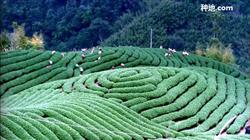 How do you control pests on high-mountain tea without pollution? Please guide.
The main tea pests and diseases currently occurring in high-mountain tea gardens are: tea green leafhopper (Empoasca onukii), tea mites (mainly flat scarlet mite and orange tarsonemid mite), tea weevil (Myllocerinus aurolineatus), geometrid larvae (tea geometrid, silver geometrid), citrus spiny whitefly, tea tortrix, tea round red spot disease, white star disease, tea blister blight, tea anthracnose, moss, lichen, etc. The main integrated pest and disease control technical measures are summarized as follows:
I. Take agricultural control as the foundation and strengthen agroecological regulation
1. Scientific fertilization: fertilize scientifically according to the growth pattern of tea plants, soil physical and chemical properties, climatic conditions and pollution-free requirements. Fertilize three times a year, mainly using organic fertilizer, with a reasonable combination of N, P and K. For topdressing, mainly use compound fertilizer, control the application rate of urea, and vigorously promote bio-organic fertilizer.
2. Winter garden cleaning and sealing: every winter, thoroughly remove residual branches and dead leaves from the tea garden, place them between rows for deep burial or destroy them, and from December to January seal the garden with lime sulfur crystal solution at 150-200 times dilution to reduce the overwintering pest and disease base.
3. Tea plant collar pruning and light pruning: carry out collar pruning on old tea plants 7-10 years old, and spray Bordeaux mixture to control moss and lichen; at the same time, adopt light pruning and heavy pruning methods respectively according to the growth condition of the tea plants.
4. Timely picking: generally use manual picking, achieving a combination of picking and leaving. Pick in time to reduce the occurrence and damage of tea green leafhopper and tea mites.
II. Strengthen biological control and protect and utilize natural enemy resources
Vigorously promote botanical and microbial pesticides, and at the same time strengthen forecasting, and according to the occurrence of pests and natural enemies, release information in time to guide control. Reduce the number of pesticide applications, try as much as possible to avoid applying pesticides during peak periods of natural enemies, and reduce harm to beneficial natural enemies in the tea garden such as green lacewings, ground beetles, rove beetles, spiders, predatory mites and parasitic wasps. At the same time, release predatory mites in the tea garden.
III. Scientifically use chemical pesticides
1. Strictly implement the "Guidelines for the Rational Use of Pesticides", the "Regulations on the Safe Use of Pesticides" and the "Notice" issued by the county government, completely ban highly toxic and high-residue pesticides, persist in using low-toxicity and low-residue pesticides, and give priority to promoting biological pesticides.
2. Strengthen forecasting, persist in applying pesticides only when the control threshold is reached, and strictly control the number of applications and the dosage. Spray only 5-7 times in the whole year; for spring tea, try not to spray, at most 1-2 times; for summer tea, do not pick and do not spray for control; for hot-season tea, spray 1-2 times; for autumn tea, spray 2-3 times. For diseases, apply pesticides at the initial stage of disease when young leaves first unfold.
3. Pay attention to pesticide application techniques and methods: in order to avoid pests developing resistance, alternate and rotate pesticides according to different types of pesticides, and at the same time vigorously promote the use of small-aperture spray plates (0.7-1 mm).
Click to get more tea planting techniques
Click to get more flower planting techniques
Click to return to Zhongdi Network