Orange Tree Planting Methods and Care: What Altitude in Meters Is Suitable for Planting?
How are orange trees planted? Take the already rooted saplings and cut off any dead or broken roots before planting. Sterilize the knife to reduce the chance of the orange tree being infected with disease. Gently pat the soil around the roots to remove air from within the soil. The ends of the roots should remain within the soil. To allow the root system to grow well, a standard-sized orange tree should be kept 3.7 m away from walls or other large obstacles, and 7.6 m away from other trees. As for planting altitude, mountainous land at 250-400 m is suitable for growing sweet oranges.
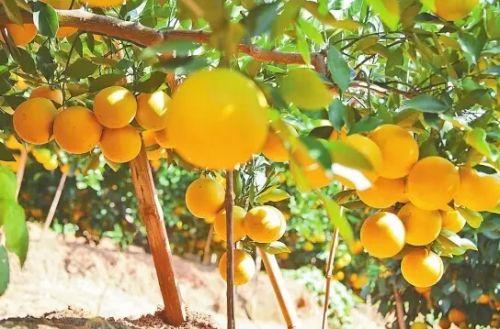
Plant the tree in a sunny, warm environment. Pay plenty of attention to young seedlings, as they are more prone to scorching and other damage than mature trees, though orange trees grow best in full sun. If mature trees are often exposed to excessively high temperatures, shade boards or bedsheets can be hung over the top of the tree until the temperature drops below 38ºC. Move orange trees indoors before frost occurs. Although some varieties of orange tree can survive light frost, orange trees are very easily threatened by frost.
Water the tree often, but do not overwater it. Compared with seedlings, the soil is best already dry before watering a mature orange tree. Mature trees are watered once or twice a week, but the number of waterings varies depending on temperature, humidity and light. As a rule of thumb, water more often in hot, dry seasons, and also try to avoid watering the plant when the sun is high.
Fertilize carefully according to the age of the tree. Applying fertilizer or manure to the tree can replenish the nutrients the plant needs to grow, flower and bear fruit, but improper use of fertilizer can burn the sapling or cause other damage. Use fertilizer specifically for orange trees, or any other fertilizer with a high nitrogen content. For a small tree 2-3 years old, scatter two tablespoons (30 ml) of high-nitrogen fertilizer under the tree before watering, 3-4 times a year. You can also spread 4 L of high-quality compost into the soil, preferably in autumn, so that rain washes the salt away before the tree is harmed by it.
A mature outdoor tree over 4 years old needs 0.45-0.68 kg of nitrogen per year. Fertilizer usually states its nitrogen percentage, which can help you calculate how much fertilizer to apply to reach the right nitrogen level. Each winter, or in February, July and September, scatter it around the roots of the tree, or water it into the soil.