What is the rose leafhopper? Get to know this pest
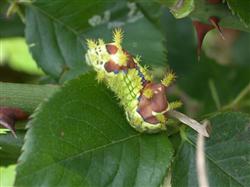
How do you control the rose yellow stinging caterpillar? Please provide guidance. Rose yellow stinging caterpillar: Morphological features: The adult is orange-yellow, with thread-like brown antennae forming a diagonal line that meets at a single point at the wingtip. It forms an inverted V shape, the hindwings are grayish-yellow, the legs are brown, and the eggs are flat and oval, pale yellow. The larva is roughly rectangular, slightly larger at the front end, with body color...
 What is the rose leafhopper? How should it be controlled? Please provide guidance
Rose leafhopper:
Morphological features: The adult is 3mm long, pale yellow-green, with narrow, semi-transparent forewings that are slightly yellow and have one dark brown spot on the hind margin; the hindwings are colorless and transparent. The egg is 0.7mm long, long kidney-shaped, colorless and transparent. The nymph has 5 instars in total and resembles the adult, except that only the wings are lacking. About 10 generations occur per year, with severe overlapping of generations. It overwinters as an adult in weeds, fallen leaves, or tree crevices. This pest mainly feeds by sucking leaf sap, with damage being most severe in August. Nymphs and adults hide on the underside of leaves to feed during the day and move to the leaf surface to feed at night. Affected leaves first lose their green color and turn yellow, then gradually turn white, and the edges curl downward and thicken, showing leaf-curling symptoms of varying severity.
Control methods: (1) Use black light traps to kill large numbers of adults. (2) Remove weeds and fallen leaves. Prune branches with egg-laying scars. (3) Spray 20% leafhopper powder emulsion at 800 times dilution. Because this insect disperses quickly, spraying should be done in the evening.
Click to get more rose growing techniques
Click to get more flower growing techniques