What are the methods for growing jasmine in pots?
How do you grow potted jasmine? Please give an introduction. Jasmine is a fragrant flowering plant much loved as a household potted plant, and it can also be used to scent tea. It originates from subtropical regions and prefers a warm, humid climate. For potted jasmine, choose fertile, loose, well-drained, slightly acidic soil. Generally...
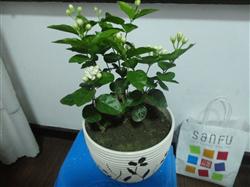
How do you grow potted jasmine? Please give an introduction
Jasmine is a fragrant flowering plant much loved as a household potted plant, and it can also be used to scent tea. It originates from subtropical regions and prefers a warm, humid climate.
For potted jasmine, choose fertile, loose, well-drained, slightly acidic soil. Generally, 6 parts garden soil, 2 parts leaf mold, and 2 parts fully decomposed poultry manure are suitable. Jasmine can send out new shoots and form buds and bloom multiple times in a year, so it has a relatively high demand for fertilizer. When new shoots begin to sprout in spring, it is best to apply a dilute liquid fertilizer mainly based on nitrogen fertilizer once a week. When buds form and it blooms, dilute liquid fertilizer mainly based on phosphorus and potassium fertilizer should be applied twice a week, and the concentration should also be increased appropriately. When jasmine only grows branches and leaves without blooming, it is generally because too much nitrogen fertilizer has been applied or there is a lack of sunlight. Therefore, when jasmine enters its vigorous growth period, the amount of nitrogen fertilizer applied should be strictly controlled, and it should be given more sunlight to avoid leggy growth. After jasmine flowers fade, promptly prune diseased, weak, and leggy branches; keep about 4 layers of leaves on each branch and cut off the rest, so as to encourage more side branches and more flowers. Jasmine is most afraid of water accumulating in the pot, so watering should be based on different weather conditions and the condition of the potting soil. In summer, when the temperature is high and the air is dry, jasmine grows vigorously, so it can be watered once in the morning and once in the evening, and at the same time water can be sprayed on the plant and around the pot; otherwise, reduce the frequency of watering, and after winter begins, do not water unless the soil is dry. At the same time, note that when watering, the soil must be watered thoroughly. In winter, place jasmine in a warm, sunny spot to prevent the plant from suffering cold damage. You can also cover the whole plant tightly with a plastic bag and cut a small hole at the top, which can also help keep it warm, retain moisture, and prevent freezing. Applying more phosphorus and potassium fertilizer can improve the cold resistance of potted jasmine.
Potted jasmine is generally repotted about every 2 years. When repotting, you can put some bone meal and horse hoof powder in the pot as base fertilizer. The best time for repotting is late winter to early spring.
Click to get more jasmine growing techniques
Click to get more flower growing techniques