What are the eucalyptus seedling-raising methods? Detailed explanation of the key techniques
How to raise eucalyptus seedlings? Here is a detailed guide. Eucalyptus seedling raising can refer to the following methods: 1. Small seedling cultivation 1.1 Seedbed preparation (1) Seedbed specifications the bed bottom width is 1.2 m, the length is generally under 5 m, and the path width is 5 cm. (2) Making the bed After removing the weeds and topsoil from the bed surface, use 50...
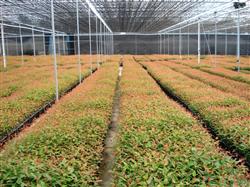
How to raise eucalyptus seedlings? Please give a detailed guide
Eucalyptus seedling raising can refer to the following methods:
1. Small seedling cultivation
1.1 Seedbed preparation
(1) Seedbed specifications The bed bottom width is 1.2 m, the length is generally under 5 m, and the path width is 5 cm.
(2) Making the bed After removing the weeds and topsoil from the bed surface, spray 50-100 g (active ingredient) of 25% trichlorfon oil or mix it with roasted rice to make poisoned bait and broadcast it on the seedbed. The latter in particular can effectively trap and kill underground pests such as cutworms and mole crickets. Then, spread a layer of about 5 cm thick yellow mud subsoil, and then spread a layer of about 10 cm thick seedling-raising substrate (the substrate is screened through a 4 mm sieve). The proportion of each component of the seedling-raising substrate is yellow mud subsoil 4: burnt soil 6, and add 11 kg compound fertilizer/m3. The proportions of yellow mud subsoil and burnt soil can also be appropriately reduced and an appropriate amount of river sand added.
(3) Soil disinfection Use 40% formalin or 1500*l0-6 thiophanate solution to soak the seedbed thoroughly with a sprinkler can, then mix isofenphos-methyl with fine sand (generally use 300-400 ml of 20% emulsifiable concentrate to make 20-30 kg of poisoned sand; note that this product is a highly toxic insecticide) and spread it evenly on the seedbed, then cover with plastic film for at least 24 h. This can achieve soil sterilization and again kill underground pests.
(4) Leveling After the above treatment, after 1-2 d of turning and drying and ventilation, the bed surface can be scraped flat, watered thoroughly, and then a thin layer of burnt soil spread evenly, scraped flat, and compacted with a wooden board. Before sowing, moisten the seedbed again with a sprayer, and after re-leveling, sowing can begin.
1.2 Sowing
(1) Sowing time In combination with the weather conditions of this province and many years of practical experience of this bureau, sowing should preferably be carried out in mid-to-late October, because the weather is still warm during this period, which is favorable for eucalyptus seed germination and small seedling growth. The seedlings can leave the nursery after 3.5-4.5 months, which exactly matches the afforestation time of the farms under this bureau in January-February of the following year. For large afforestation areas, sowing can be carried out in batches to facilitate labor arrangements during afforestation.
(2) Sowing amount It can be determined according to the following empirical formula: sowing amount = (2-3) x afforestation area (hm2) x afforestation density (plants/hm2) x number of seeds/g. Generally, the sowing amount per square meter is 2000-3000 seeds, so when preparing the seedbed, the seedbed area can be determined accordingly.
(3) Sowing When sowing, disinfect each gram of seeds with 0.1-0.2 g of carbendazim or thiophanate-methyl, thiophanate, dexon, or other pesticides, then add 20-30 times the amount of screened clean burnt soil, mix well, and broadcast. After sowing, cover evenly with burnt soil again, just until the seeds are no longer visible. After that, spray with flowing clean water using a sprayer. Then cover with plastic film to keep warm. The film arch top should preferably be 45 cm above the bed surface, to facilitate ventilation and air permeability. After the sowing work is completed, spray isofenphos-methyl solution around the nursery, with the same concentration as for soil disinfection.
1.3 Management during the germination period
The optimum germination temperature for eucalyptus seeds is 25-35 degrees, and the relative humidity is 85%-95%. If it exceeds 35 degrees, promptly open the film at both ends of the seedbed for ventilation or sprinkle water on the film to cool it down. If there is continuous high temperature and a long sunshine duration, use a 50% shade net to build a shade shed for covering. Eucalyptus seeds basically emerge after 15 d, completing the germination process. During this period, the seedbed must be kept moist, and water must be applied once in the morning and once in the evening. When watering, use a sprayer to spray, and continue using it until 50% of the seedlings have grown one true leaf, at which point a sprinkler can be used for watering.
1.4 Management during the small seedling stage
From seed germination to before the small seedlings are bagged is the small seedling stage. This period is mainly for root system growth and development. The key is soil moisture management. If too dry, the root system lacks water and grows poorly; if too wet, the root system is prone to disease. Generally, water once in the morning and once in the evening; on cloudy and rainy days, water only once; if there is continuous rainy weather, depending on the situation, water once every other day or once every 2-3 d. The length of the small seedling stage varies with different varieties, generally about 45 d. On sunny days, the film must be uncovered from 10:00 to 16:00. As sunlight further intensifies, a 50% shade net should be used for shading to avoid scorching the young seedlings. During the small seedling stage, the fertilizer requirement is not high. A quick-acting nitrogen fertilizer such as urea can be sprayed appropriately 1-2 times. It should also be dilute rather than concentrated. It is best to rinse the seedlings with clean water after fertilizing, so as to prevent the tender leaves from being burned by fertilizer.
2. Large seedling management After transplanting, the seedlings generally grow new roots in about one week. At this time, if there is no frost, the film can be uncovered; if the temperature is relatively low and there is frost, the covering time should be extended. After uncovering the film, if dead seedlings are found, they should be replanted promptly.
(1) Water and fertilizer management After the seedlings are transplanted into bags, water once a day, either in the morning or in the evening, to keep the container substrate moist. As mentioned above, the management of large seedlings mainly involves having sufficient fertilizer, basically fertilizing once a week, mainly with nitrogen fertilizer, generally applying liquid nitrogen (urea) at a concentration of 2%-5%, so that after 50 d in bags the height reaches 15-25 cm, and they can be planted in the mountains for afforestation. If growth is vigorous, then water and fertilizer should be controlled.
(2) Seedling grading When small seedlings have been transplanted into bags for 1 month, due to the influence of the microenvironment and genetic differences among individual seedlings themselves, the seedlings have already shown differentiation in height and thickness, so they should be graded promptly to facilitate later management. This also provides uniform and consistent seedlings for mountain afforestation.
(3) Seedling height control Due to weather or other reasons, by the afforestation season the seedling height has reached 30 cm but they cannot yet be planted in the mountains for afforestation, measures should be taken to control seedling height. In addition to water and fertilizer control, moving the seedlings and spraying a small amount of PP333 can also be used to control excessive growth. When the seedling height reaches 20-25 cm, the root system of the seedlings has basically penetrated the bag. At this time, the bags should be moved promptly to cut the roots. On one hand, this prevents the main root from penetrating into the ground and causing excessive seedling growth; on the other hand, it can promote the development of fibrous roots in the bag and cultivate seedlings with well-developed root systems for mountain afforestation. During the process of moving bags, do not loosen the nutrient substrate, so as not to affect survival. Before moving the bags, water thoroughly, and water once again after moving. On sunny days with strong sunlight, move seedlings in the morning and evening; do not move seedlings on rainy days either. If for weather reasons they still cannot be planted in the mountains for afforestation, then move the seedlings once every 10 d until the time when they can be planted in the mountains for afforestation. When the seedling height reaches 30 cm and they can be planted in the mountains for afforestation in the near future, control their excessive growth. Generally, spraying 15% PP333 (50-100)X10-6 works ideally. In addition, some people also use the method of cutting the top to control height growth. However, for timber forests, we believe that the practice of removing apical dominance deserves caution.
Click to get more eucalyptus planting techniques
Click to get more flower planting techniques