Detailed Explanation of Magnolia grandiflora Propagation Methods and Techniques
How to propagate Magnolia grandiflora? Here is an introduction. Magnolia grandiflora propagation can be done by referring to the following methods: Magnolia grandiflora propagation mainly relies on grafting, using Magnolia liliiflora and Magnolia aromatica as rootstock, performing cleft grafting, side grafting or bud grafting, etc. Cuttings can be taken in early June when the lateral buds on new shoots are plump. Layering is suitable for preserving and developing famous and superior varieties...
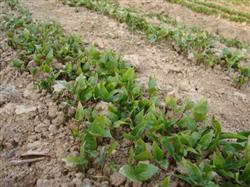
How to propagate Magnolia grandiflora? Here is an introduction
Magnolia grandiflora propagation can be done by referring to the following methods:
Magnolia grandiflora propagation mainly relies on grafting, using Magnolia liliiflora and Magnolia aromatica as rootstock, performing cleft grafting, side grafting or bud grafting, etc. Cuttings can be taken in early June when the lateral buds on new shoots are plump. Layering is suitable for preserving and developing famous and superior varieties. For seedlings grown from seed or grafting, apply heavy base fertilizer and control density; sparse flower buds can be seen in 3 to 5 years. After 2 to 3 years of planting out, they enter the full flowering period. Before planting, heavy base fertilizer should be applied and the plant should be planted somewhat deep. Summer is the season for magnolia growth and flower bud formation; irrigation should be provided during drought. Pruning can maintain the beautiful tree form of magnolia, improve ventilation and light penetration, and promote flower bud differentiation and larger, more colorful flowers the following year. Magnolia diseases include black spot and anthracnose. Pests include bagworms, camphor silkworms, and sphinx moths.
Click to get more magnolia planting techniques
Click to get more flower planting techniques