What are the uses of magnolia, and in which regions is it suitable for planting?
What is magnolia used for, and where is it suitable for planting? Please give an introduction. Magnolia is mainly used for landscaping: it is a famous early-spring flowering tree species, blooming before the leaves emerge. The flowers are large and fragrant, with thousands of buds on the branches; the flowers are bright but not gaudy, elegant but not flirtatious, pure and beautifully clear, just like a jade tree. In classical gardens, it is often planted in front of halls and behind courtyards, and named Wulan Hall or Yulan Garden...
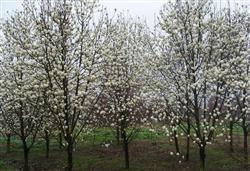
What is magnolia used for, and where is it suitable for planting? Please give an introduction
Magnolia is mainly used for landscaping: it is a famous early-spring flowering tree species, blooming before the leaves emerge. The flowers are large and fragrant, with thousands of buds on the branches; the flowers are bright but not gaudy, elegant but not flirtatious, pure and beautifully clear, just like a jade tree. In classical gardens, it is often planted in front of halls and behind courtyards, and named Wulan Hall or Yulan Garden. If one or two are planted by the roadside, on the lawn, in front of or behind pavilions and terraces, inside or outside a lattice window, or beside a moon gate, it is full of charm. Paired with pine trees and with a few rocks placed below, magnolia feels even more delightfully antique.
Magnolia is suitable for growing in: a warm, humid environment with shade on the sides; it is slightly shade-tolerant, while mature trees prefer light. It is suitable for growing in acidic or slightly alkaline soil rich in humus and with good drainage. It likes fertilizer. It has fleshy roots, is not tolerant of waterlogging, and is also not tolerant of drought. Magnolia is sensitive to temperature, and magnolia can withstand a brief low temperature of -20°C.
Click to get more magnolia planting techniques
Click to get more flower planting techniques