What precautions should be taken when applying organic fertilizer?
What should be noted when applying organic fertilizer? Here is an introduction. Organic fertilizer has a complete range of nutrients and a long-lasting, balanced fertilizing effect. It can improve soil structure, build soil fertility and improve the soil, promote the release of soil nutrients, and supply crop nutrients. It is especially important for the development of organic agriculture, green agriculture and pollution-free agriculture. However, when applying...
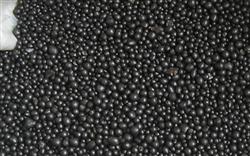 What should be noted when applying organic fertilizer? Here is an introduction
Organic fertilizer has a complete range of nutrients and a long-lasting, balanced fertilizing effect. It can improve soil structure, build soil fertility and improve the soil, promote the release of soil nutrients, and supply crop nutrients. It is especially important for the development of organic agriculture, green agriculture and pollution-free agriculture. However, when applying organic fertilizer, the following four points should be noted for reference:
1. The nutrients contained in organic fertilizer are not all-powerful. Organic fertilizer contains many types of nutrients, which is an advantage compared with chemical fertilizer, but the nutrients it contains are not balanced and cannot meet the needs of high crop yields. When applying organic fertilizer, chemical fertilizer should also be applied according to the nutrient requirements of the crop. Even farmland producing green food should be supplemented with mineral fertilizer, and various foliar fertilizers should be applied during crop growth. Just as there is no miracle cure for all diseases in the world, there is no all-powerful organic fertilizer.
2. Organic fertilizer decomposes relatively slowly and its fertilizing effect is relatively delayed. Although organic fertilizer contains a complete range of nutrient elements, it decomposes relatively slowly in the soil, and when the amount of organic fertilizer applied is not very large, it is difficult to meet the crop's needs for nutrient elements. Chemical fertilizer, by contrast, has a high content of nutrient elements and a rapid fertilizing effect, and can be used for targeted supplementation according to how much the crop needs, but its fertilizing effect is short-lived. Applying organic fertilizer together with chemical fertilizer makes up for each other's shortcomings and gives play to their respective advantages, so it can meet the crop's needs for various nutrient elements in both quantity and timing. To obtain high yields, a certain amount of chemical fertilizer should be applied as a top dressing, achieving a combination of slow and quick effects.
3. Organic fertilizer needs to undergo fermentation treatment. Many organic fertilizers carry pathogens, insect eggs and weed seeds, and some organic fertilizers also contain organic compounds that are harmful to crop growth. Therefore, when applying organic fertilizer, it should all be composted and fermented and processed before application. Raw manure must not be put on the land.
4. Taboos in the use of organic fertilizer. Decomposed organic fertilizer should not be mixed with alkaline fertilizer. If mixed with alkaline fertilizer, it will cause volatilization of ammonia and reduce the nutrient content of the organic fertilizer. Organic fertilizer contains relatively more organic matter and should not be mixed with nitrate nitrogen fertilizer.
Click to get more organic fertilizer application techniques
Click to get more chemical fertilizer application techniques