How are pesticides used on tea plants? A detailed guide to cultivation techniques
How are pesticides used on tea plants? Please provide guidance. Pesticide use on tea plants can follow these methods: 1. Choose pesticides rationally. Select pesticide varieties that are highly effective, low in toxicity, low in residue, safe for tea leaves and natural enemies, free of adverse effects, and low in cost; understand the characteristics of the pesticide and the target pest, and apply pesticides in a targeted way....
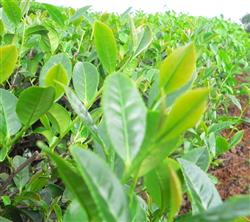
How are pesticides used on tea plants? Please provide guidance
Pesticide use on tea plants can follow these methods:
1. Choose pesticides rationally. Select pesticide varieties that are highly effective, low in toxicity, low in residue, safe for tea leaves and natural enemies, free of adverse effects, and low in cost; understand the characteristics of the pesticide and the target pest, and apply pesticides in a targeted way.
2. Choose the application timing rationally. This is the key to rational pesticide use. For example, to control the black citrus whitefly (Aleurocanthus spiniferus), pesticide must be applied during the peak hatching period of the larvae; to protect natural enemies, avoid applying pesticide during the peak emergence period of parasitic natural enemies; to avoid residual toxicity, strictly observe the pre-harvest interval after application.
3. Use appropriate concentration, dosage, and number of applications. Using the lowest effective concentration, dosage, and the fewest effective applications is the only way to meet the requirements of being economical, safe, and effective, and to save pesticide, labor, and cost, reduce residual toxicity, and benefit natural enemies. Never arbitrarily increase pesticide concentration and dosage, and never apply pesticide blindly.
4. Use appropriate application methods. According to the pesticide formulation and the actual conditions of the tea garden, choose an appropriate application method.
5. Mix and rotate pesticides appropriately. This can prevent diseases and pests from developing resistance, while also providing simultaneous control and synergistic effects, and can reduce the number of applications. When rotating pesticides, choose pesticides with different toxicological mechanisms that do not produce cross-resistance. In addition, make sure that mixing pesticides does not produce adverse chemical reactions or physical changes, and does not cause phytotoxicity to crops. For new pesticide varieties, whether they can be mixed should first be tested in small plots before being promoted.
6. Take a correct view of control effectiveness. Do not one-sidedly pursue a high control percentage; evaluate control effectiveness from an ecological perspective and the economic benefits of agricultural production. Do not rely solely on chemical pesticides, and do not one-sidedly pursue a high control percentage.
Click to get more tea plant cultivation techniques
Click to get more flower cultivation techniques