What pests and diseases occur during the cultivation of peonies?
What pests and diseases affect peonies? How do you prevent and control these pests and diseases? Please give guidance The common pests of peonies include aphids, leaf rollers, and cabbage caterpillars; the common diseases of peonies include soft rot and downy mildew; for detailed control methods, refer to the following list: Pest control methods for peonies: 1, ...
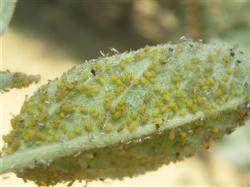 What pests and diseases affect peonies? How do you prevent and control these pests and diseases? Please give guidance
The common pests of peonies include aphids, leaf rollers, and cabbage caterpillars; the common diseases of peonies include soft rot and downy mildew; for detailed control methods, refer to the following list:
Pest control methods for peonies:
1. Aphids have a very strong reproductive capacity and can reproduce for many generations in a year. Large numbers of aphids often gather on the leaves and tender stems of kale to suck sap. Control method: when aphids first appear, spray 40% omethoate or dimethoate at 1000-1500 times dilution, or phoxim emulsion at 1000-1500 times dilution.
2. The leaf roller moth, commonly known as the leaf roller, harms plants by rolling leaves with its larvae, often rolling the leaves up with silk and hiding inside to feed and cause damage.
Method 1: In winter, clear away and burn the dead grass and fallen leaves around the planting site to eliminate overwintering insects.
Method 2: When leaf roller moth nests are found on kale, remove them promptly or directly crush the larvae inside the rolled leaves.
Method 3: When leaf rollers break out in large numbers, spray 50% fenitrothion or 80% dichlorvos emulsifiable concentrate or 50% phoxim at 1000-1500 times dilution. Amitraz wettable powder at 1000-2000 times dilution can also be used.
3. Adult cabbage caterpillars are active during the day, lay eggs on the underside of leaves, and the larvae live in groups feeding on leaf flesh. After the 3rd instar, they disperse to cause damage, feeding on the underside, upper side of leaves, or tender shoots in the morning and evening, and the damaged leaves appear notched.
Method 1: Larvae can be captured manually.
Method 2: When there are many larvae, promptly spray 80% dichlorvos emulsifiable concentrate or fenitrothion at 1000-1500 times dilution. Spraying 40% omethoate at 1500-2000 times dilution also has a certain effect.
4. For cabbage caterpillars, diamondback moths, and aphids, you can choose 50% phoxim emulsifiable concentrate diluted with water at 800-1000 times, or 2.5% cyhalothrin emulsifiable concentrate diluted with water at 2000-3000 times for spraying and killing.
Disease control methods for peonies:
1. In the early stage of soft rot, you can choose 70% thiophanate-methyl wettable powder diluted with water at 600 times, or 70% mancozeb wettable powder diluted with water at 500 times for spraying.
2. In the early stage of downy mildew, you can use 50% procymidone wettable powder diluted with water at 1000-1200 times, or 58% metalaxyl-mancozeb wettable powder diluted with water at 500 times for spraying.
Click to get morePeony cultivation techniques
Click to get moreFlower cultivation techniques