How to care for potted aloe in winter so it survives the cold safely
How to care for potted aloe in winter? Here are the methods. Potted aloe has fairly strict temperature requirements in winter; the lower the temperature, the greater the harm to the aloe. When overwintering, you can refer to the following methods for cold protection: Dig a cold-protection trench: you can dig a rectangular pit in a sunny, wind-sheltered yard; its...
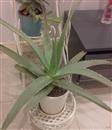 How to care for potted aloe in winter? Here are the methods
Potted aloe has fairly strict temperature requirements in winter; the lower the temperature, the greater the harm to the aloe. When overwintering, you can refer to the following methods for cold-protection management of aloe:
Dig a cold-protection trench:
In a sunny, wind-sheltered yard, dig a rectangular pit. Its size can be determined by the number of pots of aloe being overwintered and the size of the plants. Generally, it is 50-70 cm deep, 1.5-2 m long, and 1 m wide. One pit can hold 6-8 pots of aloe. Build a frame over it with bamboo strips, then cover it with double-layer plastic film and seal it.
When the sun is good at noon, uncover the film to let air in and exchange the air, reducing the humidity inside the pit. At night, add a cotton quilt and straw mat on top. This simple pit-style method for household potted aloe can be any size as needed, and its overwintering effect is safe and reliable, suitable for use in northern regions.
In some places in Northeast China, to increase the temperature of the pit, horse and cow manure, coal ash, and a thin layer of soil are often spread on the bottom of the pit. The horse and cow manure is 25-30 cm thick. The heat generated by its fermentation is used to raise the temperature inside the pit, and it can generally continue to raise the temperature for more than 3 months. It is economical and safe, with very good results.
Overwintering with heating:
Each household has different indoor heating conditions in winter, so the methods for keeping potted aloe warm through the winter also vary greatly. If there is heating indoors, it is relatively easy to meet the aloe's temperature requirements.
But never place the aloe directly on the radiator fins of the heating, otherwise the high temperature will scald the root system, and the hot air will also steam and damage the leaves. A long wooden board should be placed on the heating, and the potted aloe placed on top of it. In some places, coal is burned directly for heating. Although this can also achieve the purpose of raising the temperature, attention should be paid to proper ventilation to avoid coal smoke, stove ash, and sulfur dioxide produced during coal burning affecting the growth of the aloe.
Make an insulated box:
Families with the means can also make a simple insulated box themselves, about the size of a large television, with glass set into all four sides and sealed with plastic film, and with one 60-100 watt incandescent bulb installed inside. Turn on the light from dusk every day until the early morning of the next day to raise the temperature inside the box and increase light.
But note that the aloe must not be too close to the bulb, to avoid being scorched. If the inside of the box is too dry, place a small bowl of clean water to raise the humidity. At noon every day, the insulated box can be opened for ventilation.
Cover with a plastic bag:
Covering potted aloe with a plastic bag is the simplest method for keeping it warm through the winter. Use wire to make an arched round support around the edge of the flower pot, put on a plastic bag, and wrap the aloe and pot together. When the room temperature rises, remove the plastic bag promptly. Although this method is simple, its overwintering warmth-preservation effect is not bad either.
It is just that the bag cannot be left on for too long, otherwise once the sun shines, the temperature inside the bag rises, and with no ventilation, the aloe will be harmed.
Click to get more aloe cultivation techniques
Click to get more flower planting techniques