What pests need to be controlled during aloe cultivation?
What pests need to be controlled during aloe cultivation? Please explain and provide guidance on control methods. The main pests of aloe are red spider mites, aphids, cotton bollworms, and scale insects. These pests mainly damage aloe seedlings or tender leaves, and their occurrence is not large. 1. Red spider mites and aphids: red spider mites and aphids generally occur in spring, summer, and autumn;...
 What pests need to be controlled during aloe cultivation? Please explain and provide guidance on control methods.
The main pests of aloe are red spider mites, aphids, cotton bollworms, and scale insects. These pests mainly damage aloe seedlings or tender leaves, and their occurrence is not large.
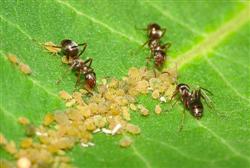
1. Red spider mites and aphids:Red spider mites and aphids generally occur in spring, summer, and autumn; when the number of pests is not large, they can be washed off with clean water, or killed by pinching them with your hands; 40% dimethoate 2000x solution can also be sprayed, once every 3 to 4 days, and spraying can be repeated several times.
2. Cotton bollworm:It is the most dangerous pest in aloe cultivation and causes serious damage. Cotton bollworms mainly bite and feed on tender leaves and flowers, causing incomplete leaves and fallen flowers; damage is generally severe from July to September; when the larvae are mature, they spin silk and hang down, enter the soil to make cocoons and pupate, at a soil depth of 2.5 to 6 cm. Completing one generation generally takes 35 to 45 days.
Cotton bollworm control methods:
1. Use blacklight lamps or poplar groves to trap and kill adults.
2. Coordinate well with other plants around the planting area (such as cotton and corn).
3. Chemical control: at the early larval stage, choose either 50% fenitrothion emulsifiable concentrate 1000x solution or 50% phoxim emulsifiable concentrate 2000x solution for spray control.
3. Scale insects:Scale insects often attach to the underside of leaves as larvae, and sometimes also on the upper side of leaves. After the larvae choose a place to settle, they begin to lie still and form a shell to become adults, and long-term feed on leaf sap in one place, while excreting large amounts of honeydew that contaminates the leaves, leading to the occurrence of sooty mold;
Because the adults are covered with a shell, they are not easily killed by contact with chemicals, so when there are few damaged leaves, they can be killed by hand removal by pinching them to death. Or when the infestation is severe, 80% dichlorvos emulsifiable concentrate 800x solution can be used, dipping a brush in the solution and applying it to the scale insects. Note that the interval between the last application and harvest should be no less than 5 days.
Click to get more aloe cultivation techniques
Click to get more flower planting techniques