Growing and Managing Potted Tomatoes and the Correct Watering Method
Do you want to grow your own vegetables on the balcony? Growing tomatoes is a good choice, as it is both simple and has a high survival rate. If this is your first time growing them, then you can take a look at the introduction below, how it is done, how to plant them, and an introduction to the aspects of planting and management, as well as how to fertilize and water them during growing?
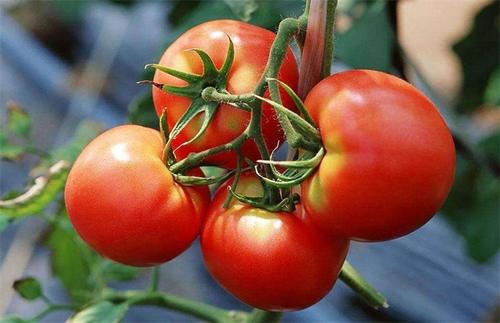
If starting from seed, first grow them in a greenhouse or indoors by a sunny window for one month, and after that move them to the yard. When the seedlings grow to 15-25 cm tall, they can be transplanted to the yard. Or grow the seedlings in a tray, six small plants per tray, with each plant given an area 3 cm in diameter.
Transplanting: transplant the plants to a spot with plenty of sunlight. Tomatoes need at least 7 hours of sunlight a day to achieve the best flavor.
Note: when the weather becomes hot and the nighttime minimum temperature reaches 24°C, do not plant new tomatoes. Those already planted will grow well, but in such hot weather no new sprouts can be produced.
The date for moving tomatoes outdoors must not be too many days later than the optimal date, otherwise it is too late (if the nighttime temperature has already risen, then it will not work). A large amount of compost must be added to the yard soil in advance (25-40 kg per sq m), and it must already be fully decomposed, not newly collected. Bury the compost into the top 6-8 cm of soil. The growing medium for tomatoes needs to be rich in organic matter. If you do not make your own compost, buying ready-made compost or fertilizer from a store is also fine; a 20 kg bag costs about 30 yuan.
Planting process:
Tomato seedlings should be buried deeply in the soil. The soil should be mounded up to 50%-75% of the seedling's height (especially for those seedlings whose stems grew very thin and long before transplanting); it is also fine if some of the lower leaves are buried. New roots will grow from the stems buried in the soil, promoting plant development. The growth condition of the roots is what needs the most attention when transplanting plants. Within 10 minutes of planting the seedlings, give each plant 4 liters of warm water (about 27°C) to avoid transplant shock. There should be a spacing of 45-90 cm between every two tomato plants; if the climate is relatively warm, especially when using tomato cages, halve the spacing. Normal spacing helps tomatoes spread out over a large area on the ground, while planting more closely in cages means the tomato branches and leaves will shade each other's fruit, preventing the temperature from getting too high in sunlight and helping to produce sweeter fruit.
Watering: within 7-10 days after transplanting is complete, water each plant with 500 ml of warm water every day. At the same time, keep the soil moist even in dry weather. This layer of mulch needs to reach 2.5 cm thick and cover at least a range of 30 cm in diameter around each tomato seedling. Using pine needles is especially helpful for increasing soil acidity.
Note: do not let the soil stay wet all the time, as that will suffocate and kill the roots, and especially in warm or hot weather it can also cause fungal infection of the stems. Drip irrigation or using a soaker hose to water is better than pouring water directly from above, because the latter increases the disease rate of plants, and tomatoes are especially prone to becoming ill because of it. After 10 days from transplanting, lengthen the interval between two waterings, while also making sure the plants receive 2.5-7.6 cm of rainwater each week. After a full two weeks from transplanting, if there is no rain, give each tomato plant 7.5 liters of water each week. Water 2-3 times per week, and water thoroughly. For each plant, use 3-4 liters per watering. As the seedlings grow larger and larger and the weather becomes hotter and hotter, the amount of water should also be increased appropriately. In hot or dry weather, the frequency and amount of watering can be increased.