When do osmanthus trees usually bloom? A detailed guide to the flowering period
When do osmanthus trees bloom? How can you ensure they bloom normally? We would also like readers to help share information. The general blooming time of osmanthus trees is determined by the variety itself. For example, the Jin Gui (golden osmanthus) variety blooms from September to October, and the flowers are golden yellow. The Yin Gui (silver osmanthus) variety also blooms...
 When do osmanthus trees bloom? How can you ensure they bloom normally? We would also like readers to help share information
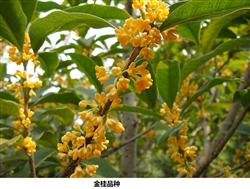
The general blooming time of osmanthus trees is determined by the variety itself. For example, the Jin Gui (golden osmanthus) variety blooms from September to October, and the flowers are golden yellow.
The Yin Gui (silver osmanthus) variety also blooms from September to October, and the flowers are white or yellowish white.
The Dan Gui (orange osmanthus) variety blooms in October, and the flowers are orange-red or orange-yellow.
The Si Ji Gui (four-season osmanthus) variety produces a small number of flowers every month, and the flowers are white.
For an osmanthus tree to bloom, it must first reach blooming age, because osmanthus has a long lifespan, generally living for decades to several hundred years, and some even live for a thousand years, so its blooming age is also relatively late. For example, a seedling grown from seed takes about ten years to bloom; a cutting takes four years to bloom; grafted Jin Gui and Yin Gui have one fifth blooming the following year; grafted Si Ji Gui blooms in the same year, but only very few flowers. Some large transplanted osmanthus trees can bloom in the same year, while others need one or two years to adapt before blooming.
Daily care also affects whether an osmanthus tree blooms. The details are listed below for readers to refer to and learn from:
1. Ensure low-temperature winter dormancy: above 3°C there is no need to bring it indoors; the overwintering temperature should be 3 to 5°C. Above 10°C, osmanthus will sprout and unfurl leaves too early, consuming a large amount of nutrients. Combined with insufficient light, smoke and dust pollution, the plant becomes weak. When it is moved outdoors in spring, wind and sun can dry the leaf tips, and even if new shoots grow again, it is not easy for it to bloom.
2. Ensure long sunlight exposure: osmanthus needs more than 10 hours of sunlight, otherwise the leaves will not be lush, which affects flower bud formation, growth and blooming.
3. Water content must be just right: generally maintain 50% water content, and in hot summer weather 60% to 70% is suitable. Too much easily causes root rot, leaf drop, affected blooming, and even physiological diseases.
4. Fertilization should focus mainly on phosphorus and potassium fertilizers: fragrant flowers need relatively large amounts of phosphorus and potassium fertilizers. Too much nitrogen fertilizer will cause excessive growth of branches and leaves and instead affect blooming.
5. It is not tolerant of smoke, dust and oily grime: every ten days, gently wipe the leaves with fine flannel or gauze to keep the leaf surface clean. If the leaves are stained by smoke, dust and oily grime for a long time, growth will be poor, and the leaves may even fall off, affecting blooming. If foliar fertilization can be carried out at the same time as cleaning, the effect is even better and can make the plant grow robustly.
Click to get more osmanthus tree planting techniques
Click to get more flower planting techniques