Tomato planting care and fertilizing methods, what fertilizer is best?
Do you know how to grow tomatoes? How should tomatoes be planted, and what should be done in terms of care? If you want to grow tomatoes, you should take a good look. The following is included; when it comes to growing vegetables, fertilizing is very important, so how should tomatoes be fertilized? Let's learn about it together below.
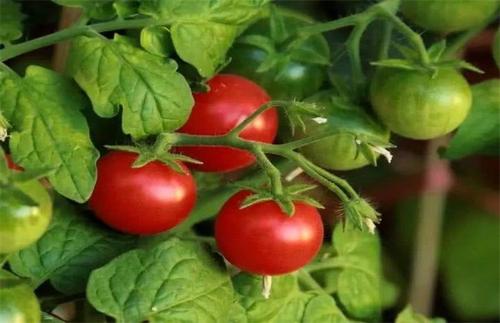
Growing tomatoes is one of the most satisfying experiences, because the small plants quickly produce results, the red fruits make people happy, and the sweetness and fragrance of fruit just picked from the plant cannot be compared with store-bought ones. But tomatoes often get infected by pathogens, and if you can prevent problems in advance, you can be completely safe.
So experienced gardeners or farmers have some treasures on hand, enough to do a complete job of prevention. One of these treasures is Copper Sulfate. When copper sulfate is mixed with water, it releases a disinfectant. Using this spray when first planting tomatoes can prevent diseases from appearing later in the season.
Many copper fungicides are sold in stores, but the brand names may differ; some are called Copper Spray, or Copper Dust. When buying, look at the ingredients in the instructions; the more MCE (metallic copper equivalent) it contains, the more effective it is. It is best to spray when the tomatoes are young, that is, within two to four weeks after planting the young plants, to avoid disease. Usually one application, or at most two, with an interval of seven to ten days between them, is enough to achieve the effect. Because tomatoes are very susceptible to blight, and this mold has two types, early blight and late blight, you can afterward spray once every two weeks to ensure they remain disease-free.
Fertilizer: Tomatoes need a lot of fertilizer, especially calcium. If calcium is severely deficient, the fruit is very hard to form, and even if it does form, it will turn black and rot from the base partway through. Some people plant Tums, a Western medicine for stomach pain, into the soil beside the tomatoes. This is because Tums contains a very high calcium content, and is even taken as calcium tablets. Moreover, Tums dissolves very easily in water. Another friend dries eggshells and shrimp shells in the sun, grinds them up, and buries them in the soil. In addition, many people use lime as a supplement. Garden stores sell packaged Garden Lime, also called Agricultural Lime, which is powder made from limestone, as a supplementary fertilizer. This is very beneficial for tomatoes, eggplants, peppers, and similar plants. But when using it, the amount must follow the instructions, otherwise it will raise the soil alkalinity too high. Some people also plant banana peels from time to time beside tomato and rose plants, because bananas contain a relatively high potassium content. These are all things plants need.
The question most people ask about tomatoes is: although many flowers bloom, why are there no tomatoes? Besides the calcium deficiency mentioned above, one possible reason is that there are no bees to pollinate. If that is the case, you must pollinate by hand. The method is to buy cheap watercolor brushes, or small fine brushes, and gently wipe between each flower, so that the pollen of the male and female flowers is crossed, and only then will there be fruit. The brush must be clean and should not be reused.
To keep the soil moist, you can use more mulch, that is, spread a layer of covering soil on the surface. You can buy mulch, or find pine needles, bark scraps, and so on yourself to spread. Or you can use ordinary compost soil. It is best to spread the covering soil after watering. When growing tomatoes, you must water regularly. If the roots lack water, the flowers may shrivel and drop. If there is a lack of water after fruiting, the fruit will be tasteless due to lack of sugar, and in serious cases the fruit may even drop. Some people also ask what causes tomato fruit drop, or flower drop. You can find the reasons below:
A sudden rise or sudden drop in temperature, meaning too great a difference between day and night temperatures; insufficient humidity or too high humidity; too much nitrogen fertilizer, or not enough nitrogen fertilizer; no bee pollination; lack of water; pests and diseases; too many fruits. In addition, the soil for growing tomatoes sometimes develops pathogens on its own, so if in a certain year your tomatoes suddenly stop producing fruit, it is possible that they will not produce again the next year, and you should stop growing tomatoes, and may even be unable to grow plants of the same family, including potatoes, eggplants, and so on. At the same time, avoid growing the same type of plant in the same place every year.