How to plant Queshan mulberry? Detailed explanation of cultivation techniques
How to plant Queshan mulberry? Is there anything to watch out for? We ask netizens to help introduce it. Zhongdiwang has compiled the cultivation techniques for Queshan mulberry, listed below for netizens' reference. 1. Selection of Queshan mulberry seedlings: For mulberry seedlings, it is generally best to choose small seedlings grafted around the Spring Festival, or grade-out seedlings left in the seedbed from the previous year...
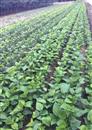 How to plant Queshan mulberry? Is there anything to watch out for? We ask netizens to help introduce it
Zhongdiwang has compiled the cultivation techniques for Queshan mulberry, listed below for netizens' reference.
1. Selection of Queshan mulberry seedlings:
For mulberry seedlings, it is generally best to choose small seedlings grafted around the Spring Festival, or grade-out seedlings left in the seedbed from the previous year.
2. Selection of the mulberry planting site:
The plot for transplanting mulberry seedlings is generally chosen as land after the previous crop of wheat or rapeseed has been harvested, with relatively fertile soil and a fairly complete drainage and irrigation system.
3. Planting density of Queshan mulberry:
Generally, 300-500 plants per mu is suitable; too sparse delays the peak production period, while too dense results in poor photosynthesis, inconvenient fruit picking, and easily causes fruit drop.
4. Planting time for mulberry:
Generally from late May to early July; for large-scale transplanting, the plum rain season is best, as there is plenty of rain and transplanted seedlings are easy to establish. When the seedling tips grow to 40-50 cm, they can be transplanted from the nursery to the permanent planting garden; transplanting too early affects the survival rate.
Matters needing attention when planting Queshan mulberry:
Note 1: "Three looks" before planting mulberry
That is, look at the "sky", look at the "land", and look at the "seedlings". Looking at the "sky" means paying attention to the weather forecast at the time; transplanting is best under alternating continuous overcast and rainy weather, and continuous sunny days are not suitable for transplanting. Looking at the "land": for clayey soil in the garden with good drainage and irrigation conditions, transplanting can be done on an overcast day or in the evening of a sunny day; for sandy soil, transplanting is best under continuous overcast and rainy weather. Looking at the "seedlings" means that when transplanting, depending on the seedlings, cut off part of the seedling tips or leaves; if the seedling root system is good and the plant has a high degree of lignification, keep more and cut less, retaining 3-4 upper leaves and cutting each leaf in half; if the seedling root system is poor and the plant has a low degree of lignification, cut more and keep less, leaving only 1-2 leaves.
Note 2:Mulberry seedlings should be transplanted with soil as much as possible. Do it with light transport and quick planting, use baskets and other containers as much as possible, place the seedlings upright, and operate carefully in each step of moving, transporting, and planting.
Note 3:After field planting, mulberry should be managed in a timely manner. After transplanting, promptly apply diluted human waste to improve the survival rate; after the tree body turns green, fertilize in a timely manner, but it should be applied in small amounts multiple times or diluted with water.
Note 4:After transplanting, mulberry should have its growing tips removed in a timely manner. After the transplanted mulberry seedlings survive, top them at 30-40 cm above the ground. If they are from a nearby nursery and transplanted with soil, the tips can be removed at the time of transplanting. Keep the upper 3 leaves and cut the leaves in half to reduce transpiration, promote the sprouting of axillary buds, and enable each mulberry plant to grow 3-5 new shoots in the same year, so that it can enter the fruit production period the next year.
Click to get more mulberry cultivation techniques
Click to get more flower cultivation techniques