Pumpkin Planting Time, Techniques and Management Key Points: Is Growing Pumpkins Profitable?
Pumpkins can be grown in two seasons, in spring and autumn. Spring planting is in January, with a growth period of about 110 days; autumn planting is in September, with a growth period of about 80 days. Is growing pumpkins profitable? Yes, it can be profitable. With good cultivation, each mu can yield a profit of around 10,000 yuan, so there is still a certain market for pumpkin cultivation. Let us take a look below at how to grow pumpkins.
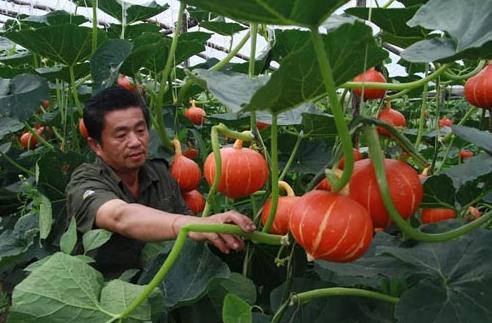
1. Site selection. Pumpkins have a strong root system that spreads deep and wide. You should choose sandy loam soil with deep, fertile soil layers, loose soil, good permeability and convenient drainage and irrigation as the pumpkin field, plan the planting in contiguous plots, and rotate between paddy and dryland crops to reduce sources of pests and diseases, especially viral diseases, Fusarium wilt, gummy stem blight and other diseases.
2. Fine land preparation, sufficient base fertilizer, and contiguous planting. Land preparation should involve two plowings and two harrowings to make the soil structure loose, creating a soil environment conducive to pumpkin root growth, and the soil should be leveled and harrowed fine. Pumpkins have strong fertilizer uptake and are tolerant of fertilizer, so sufficient base fertilizer should be applied. Combined with land preparation, apply 100 kg of decomposed chicken manure or 50 kg of soybean cake, 30 kg of calcium magnesium phosphate fertilizer, 25 kg of compound fertilizer, and 5 kg of "Shiquan Dabu" nutrient solution per mu. After land preparation, form beds and apply sufficient base fertilizer, with a plant spacing of 60——70cm. Each bed including the ditch is 2.8 m, the bed surface is 2.2 m, and the bed height is 25 cm.
3. Plastic film mulching. Plastic film mulching is a key technical measure for high-yield pumpkin cultivation. Generally, silver-black double-sided plastic film is used to cover the bed surface, with the silver side up and the black side down. Plastic film mulching can protect? against aphids, thrips and other insect vectors that transmit viral diseases; inhibit weed growth; inhibit soil moisture evaporation and reduce the number of irrigations; prevent root diseases and rot caused by excessive rain; prevent soil erosion; keep the soil loose and maintain stable soil temperature, promoting root development; prevent fertilizer loss and save on fertilizer use; save labor and allow earlier harvest. Several issues should be noted when mulching with plastic film: First, the bed surface must be leveled before covering with film. After covering, press it tightly against the ground; second, if the film breaks, seal it tightly with soil; third, keep the film surface clean; fourth, increase fertilizer application, because after mulching organic matter decomposes and is absorbed quickly and the plants grow quickly, so if fertilizer deficiency occurs later, timely topdressing should be noted, with increased phosphorus and potassium fertilizer and controlled nitrogen fertilizer.