Fewer Vegetable Diseases: Temperature, Light, Water and Fertilizer Regulation Is Key
Q: What is integrated water and fertilizer technology? What methods are commonly used at present? Expert: Strictly speaking, integrated water and fertilizer technology is dissolving fertilizer into irrigation water, using water to carry fertilizer so that water and fertilizer are supplied synchronously to the soil around the crop roots. One advantage of integrated water and fertilizer technology is that it can give play to the synergistic effect of fertilizer and water blending, making the benefits of fertilizer and water...
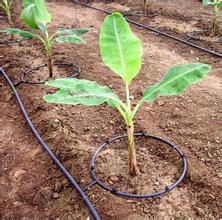 Although chemical control is an important means of disease control, if disease occurrence is suppressed through various physical control measures, the amount of chemical agents applied can be reduced and the safety of vegetables improved. From a physical perspective, regulating the four aspects of temperature, light, water and fertilizer inside the greenhouse to inhibit the spread and infection of pathogenic bacteria is an important measure for preventing and controlling disease occurrence.
Temperature
Pathogenic bacteria all have a certain optimum temperature for disease development. Beyond this temperature range, infection by pathogenic bacteria is inhibited or they are even killed. Fungal pathogens are generally sensitive to high temperatures and insensitive to low temperatures. At low temperatures, pathogen spores can survive longer; at high temperatures, pathogens are quickly killed. Some heat-loving vegetables have good tolerance to high temperatures; for example, cucumber has the strongest photosynthesis at 38°C and high humidity. Therefore, when humidity inside the greenhouse is relatively high and the weather is sunny, closing the vents at noon to raise the greenhouse temperature to 40°C and maintain it for 2 hours can effectively prevent the occurrence of cucumber diseases.
Light
Ultraviolet light in sunlight has a strong killing effect on pathogenic bacteria, and when light is strong, plant photosynthesis is sufficient and photosynthetic products are abundant, so the plant's stress resistance is strong and pathogenic bacteria find it harder to infect. The effect of light on plant growth is obvious. In rainy weather, light is weak, and diseases are most likely to break out and spread. Light also directly determines changes in greenhouse temperature.
Water (Humidity)
Under normal circumstances, light and temperature inside the greenhouse are mainly determined by the external macro-environment. For example, during continuous rainy days, neither light nor temperature can be high. At this time, water becomes the key factor affecting disease prevalence. High humidity favors the infection and spread of pathogenic bacteria. The outbreak and spread of most diseases require a relative humidity above 85%.
Humidity inside the greenhouse is affected by many factors such as irrigation and ventilation. Among them, ventilation is the most important factor affecting greenhouse humidity. Under general conditions, humidity inside the greenhouse is far higher than outside. If ventilation conditions are good, air circulates inside and outside the greenhouse, and humidity inside decreases. For pathogenic bacteria to complete the infection and damage process, they need conditions of relatively high humidity for a relatively long time. Many vegetable growers ventilate lightly for 10-20 minutes after uncovering the straw mat, an important purpose of which is to quickly reduce humidity inside the greenhouse, shorten the time during which vegetable surfaces are covered with condensation, and inhibit infection by pathogenic bacteria. Traditional irrigation methods have low water use efficiency and a great impact on greenhouse humidity, while drip irrigation and similar methods can greatly improve water use efficiency, reduce evaporation of surface water, and control greenhouse humidity. Plastic film mulching directly reduces the contact area between the ground surface and the air and reduces evaporation of surface water. Humidity is greatly affected by temperature: under otherwise unchanged conditions, the higher the temperature, the lower the humidity.
Fertilizer
Fertilizer is the "food" for plant growth. The amount of soil fertility and whether its proportions are reasonable determine the plant's development. If the plant develops poorly, its disease resistance is poor.