How to choose organic fertilizer correctly? Remember these key points
Fertilizer use should achieve simultaneous vegetable growing and soil fertility building. The ratio of animal manure to plant manure used should preferably be 1 to 1. For each vegetable, generally apply 45 to 60 grams of organic fertilizer per hectare as a base application, and 1500 kilograms of organic special fertilizer per hectare as a top dressing. Apply sufficient base fertilizer, using 80 percent of the total fertilizer amount as base fertilizer, combined with land preparation...
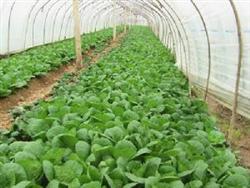 Organic fertilizer can increase soil organic matter content and improve soil physical and chemical properties. It can increase soil aeration, water permeability and water retention, improve the root growth environment, and enhance the soil's water and fertilizer retention capacity. What elements does organic fertilizer provide that chemical fertilizers cannot? Organic fertilizer provides the soil with a large amount of organic nutrients and active substances, such as amino acids, DNA, RNA, humic acid, sugars and nucleic acid degradation products, all of which can be directly absorbed by crops and stimulate root growth. Among these, organic fertilizer contains a large number of microorganisms that can accelerate the decomposition and cycling of organic nutrients in the soil. It is said that organic fertilizer can improve product quality - what specific effects does it actually have? Heavy application of chemical fertilizers or improper nutrient ratios will lead to a decline in the quality of agricultural products (8.30, 0.06, 0.73%), while the combined application of organic fertilizer and chemical fertilizer can increase the protein and amino acid content of crops, while also reducing the nitrate content in vegetables and increasing the vitamin C content. The increase in amino acid content in plants helps plants resist drought, thereby enhancing plant stress resistance and disease and pest resistance. For this reason, farmers should pay attention to the following three aspects when buying organic fertilizer:
Check the raw materials - understand whether the raw materials used in the product are high quality. At present, the relatively good organic raw materials used by organic fertilizer manufacturers are soybean meal, sesame meal, sugar residue, cassava residue, bacterial protein, amino acids, humic acid, tobacco powder, etc. Some also add calcium-rich raw materials such as bone meal and shell powder; increasing calcium content has a noticeable improving effect on bitter pit and water core disease in fruit trees.
Check whether the microbial strain ratio is scientific. Good strains have a comprehensive enzyme system and relatively high enzyme activity. The enzyme activities of the cellulase, xylanase, polygalacturonase, polygalacturonate lyase, etc. they secrete can all reach the requirements for industrial strains, and they have strong tolerance. Through the addition of excellent microbial agents, the decomposition cycle can be greatly shortened and the decomposition effect improved.
Check whether the manufacturer's production line process is strict. The organic fertilizer production process includes several major steps: batching -> decomposition -> granulation -> cooling -> screening -> packaging, among which the degree of decomposition is extremely important. Good products have a high degree of decomposition and long-lasting fertilizer effect; insufficient decomposition can easily cause crop seedling burn.